
Your luggage went missing, and you’re standing at the airport feeling frustrated and overwhelmed. You’re not alone – millions of travelers face lost luggage every year, but knowing the right steps can mean the difference between waiting weeks for your belongings and getting results in days.
This guide is for any traveler who needs their missing luggage back fast, whether you’re on a business trip, family vacation, or heading home. You’ll learn exactly how to report lost luggage properly at the airport and document everything to maximize your airline lost baggage compensation. We’ll also cover your delayed baggage rights and the specific baggage compensation rules that airlines don’t always volunteer upfront.
From filing your airport lost luggage report correctly to knowing when and how to escalate your missing luggage claim, these seven actions will help you recover your missing suitcase and get the compensation you deserve.
Report Your Missing Luggage Immediately at the Airport

Locate the airline’s baggage service office before leaving the terminal
Time is your best friend when dealing with lost luggage. The moment you realize your bag didn’t make it onto the carousel, resist the urge to leave the airport and hope it shows up later. Your first stop should be the airline’s baggage service office, typically located near the baggage claim area. Look for signs that say “Baggage Services,” “Lost and Found,” or “Baggage Claims” – these offices are usually staffed even during late-night arrivals.
Don’t assume all airlines share the same office space. Each airline typically operates its own baggage service counter, so make sure you’re heading to the right one. If you’re unsure about the location, ask airport staff or check the airport’s information kiosks for directions. Some larger airports have multiple baggage service offices in different terminals, so confirm you’re at the correct location for your specific airline.
File an official Property Irregularity Report with complete details
Once you’ve found the baggage service office, you’ll need to file a Property Irregularity Report (PIR) – this is the official document that starts your missing luggage claim. The airline representative will ask for your boarding pass, baggage claim tickets, and identification, so have these ready before approaching the counter.
When describing your missing luggage, be as specific as possible. Include details like:
- Bag description: Color, brand, size, and distinctive features
- Contents overview: Approximate value and types of items inside
- Travel itinerary: All flights taken, including any connections
- Contact information: Multiple phone numbers and your destination address
The more detailed your report, the easier it becomes for baggage handlers to identify and locate your luggage. If you have photos of your bag from previous trips, show them to the representative. Don’t downplay the contents’ value – airlines use this information to determine compensation limits and search priority levels.
Get reference numbers and contact information for follow-up
Your PIR will generate a unique reference number – this becomes your lifeline for tracking your missing luggage. Write this number down immediately and ask the representative to repeat it to ensure accuracy. This reference number allows you to check your claim status online, over the phone, and serves as proof that you reported your luggage missing within the required timeframe.
Collect multiple contact methods for follow-up communication:
- Direct phone number for the baggage service office
- 24-hour customer service hotline for your airline
- Email address for written correspondence
- Website portal for online claim tracking
- Local delivery service contact if applicable
Ask about the airline’s typical response timeframes and when you should expect your first update. Most airlines promise updates within 24-48 hours, but having multiple contact methods ensures you can reach someone regardless of the time or day.
Take photos of your boarding pass and baggage claim tickets
Documentation becomes crucial evidence if your case gets complicated or requires compensation claims. Use your phone to photograph your boarding pass, all baggage claim tickets, and the completed PIR form before leaving the airport. These photos serve as backup proof of your travel details and the timeline of your report.
Make sure your photos are clear and show all relevant information, including flight numbers, dates, and baggage tag numbers. If the lighting in the baggage office is poor, step outside or find better lighting before taking the pictures. Store these photos in multiple locations – save them to your phone, email them to yourself, or upload them to cloud storage.
Keep your physical boarding pass and baggage claim tickets safe as well. Airlines sometimes request original documents during the claims process, and having both digital and physical copies gives you complete coverage for any situation that might arise during your luggage recovery process.
Document Everything for Maximum Leverage
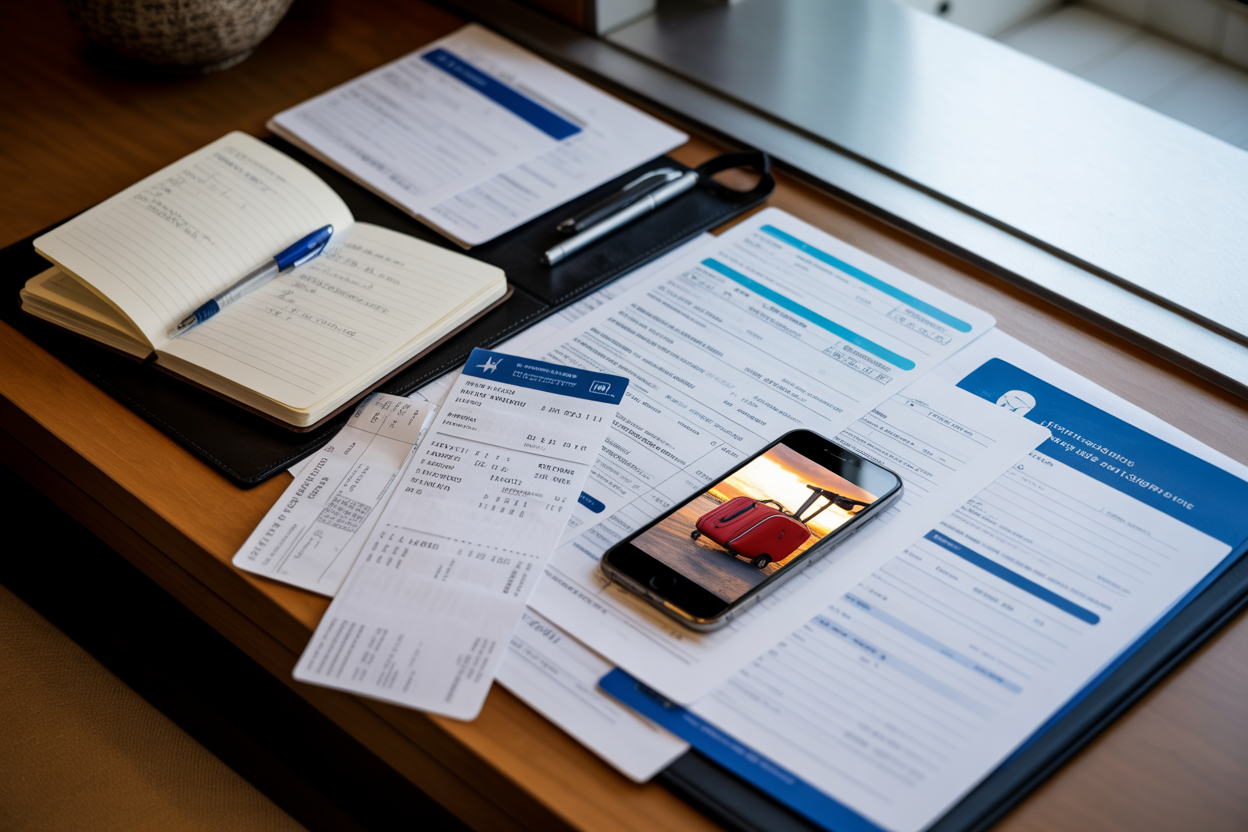
Keep all receipts from your trip and emergency purchases
Your receipts become your financial lifeline when dealing with a missing luggage claim. Every purchase you make during your trip—from toiletries to clothing replacements—needs documentation for potential reimbursement. Airlines typically cover reasonable expenses for essential items while your baggage remains missing, but you’ll need proof of what you spent.
Start collecting receipts the moment you realize your luggage won’t make it to your destination. This includes airport purchases, hotel gift shop items, and anything you buy at your destination to replace missing essentials. Keep both physical receipts and take photos as backup—receipts fade and get lost easily when you’re traveling.
Your original trip receipts matter too. If you bought new items specifically for this trip that are now missing with your luggage, those receipts help establish the value of lost contents. Airlines often question claimed values, so having purchase proof strengthens your case significantly.
Create a detailed inventory of missing items with estimated values
Building a comprehensive list of your missing items gives you serious negotiating power with airlines. Don’t just write “clothes and shoes”—get specific. List each item with its approximate age, brand, and current replacement value. Your inventory should read like a detailed property assessment.
For clothing, note the brand, color, and general condition. A “black wool coat from J.Crew, purchased 2 years ago, excellent condition” carries more weight than simply “coat.” Electronics need serial numbers if you have them, along with model numbers and purchase dates.
Be realistic with your valuations. Airlines know what things cost, and inflated claims hurt your credibility. Check current retail prices for similar items to establish fair replacement values. If you paid $200 for shoes two years ago, don’t claim they’re worth $200 today—factor in reasonable depreciation.
Save all communication records with airline representatives
Every conversation you have with airline staff becomes part of your missing luggage claim documentation. Whether it’s the initial report at the baggage claim counter or follow-up phone calls days later, you need records of who you spoke with and what they promised.
Write down names, employee ID numbers, reference numbers, and the substance of each conversation immediately after it happens. Airlines have multiple departments handling different aspects of baggage issues, and information gets lost between transfers. Your detailed records help ensure continuity and accountability.
Email communications are gold—they provide written proof of airline responses and commitments. When calling customer service, ask for email confirmation of any promises or timelines they give you. If they won’t provide written confirmation, note this refusal in your records. This documentation becomes essential if you need to escalate your claim or file complaints with aviation authorities.
Photograph any damage to luggage if partially recovered
When your luggage finally shows up but arrives damaged, photos become your strongest evidence for compensation claims. Airlines often try to minimize damage or suggest it was pre-existing, making your visual documentation critical for getting proper reimbursement.
Take multiple photos from different angles before you touch or move anything inside the damaged luggage. Capture the exterior damage clearly, showing broken zippers, tears, or impacts. Then photograph the interior and any damaged contents. Poor handling often damages items inside even when the exterior looks fine.
Document the scene where you received the luggage too. If you’re at baggage claim and notice damage, photograph the luggage on the carousel or claim area. This establishes the condition at the point of airline delivery. Airlines sometimes argue that damage occurred after you took possession, making location photos valuable proof of when and where you discovered the problems.
Know Your Rights and Compensation Limits

Understand airline liability limits for domestic versus international flights
Your compensation rights depend heavily on whether you’re flying domestically or internationally. For domestic flights within the United States, airlines typically limit their airline lost baggage compensation to $3,800 per passenger for lost luggage. This amount covers the depreciated value of your belongings, not their replacement cost, which means you won’t get full value for older items.
International flights follow different rules under the Montreal Convention, which caps airline liability at approximately $1,780 per passenger (the exact amount fluctuates with currency exchange rates). This lower limit applies to most international routes, regardless of your ticket price or class of service.
You should also know that airlines can deny compensation entirely if your bag contains prohibited items or if you fail to report the loss within specific timeframes. Most carriers require you to file your missing luggage claim within 24 hours for domestic flights and up to 7 days for international travel.
Research your travel insurance coverage for lost baggage claims
Your travel insurance policy might provide better coverage than airline liability limits. Review your policy documents before traveling to understand exactly what’s covered and what documentation you’ll need for claims.
Most comprehensive travel insurance plans offer baggage coverage ranging from $1,000 to $3,000 per person, with some premium policies covering up to $5,000. However, these policies typically include per-item limits, often capping individual items at $300-500.
Check if your homeowner’s or renter’s insurance extends coverage to belongings while traveling. Many policies provide limited coverage for personal property away from home, which could supplement your airline compensation.
Credit cards with travel benefits sometimes include baggage protection. Premium cards often offer $1,000-3,000 in coverage for delayed or lost luggage, plus reimbursement for essential items during delays.
Learn about essential item reimbursement policies
Airlines must provide reasonable compensation for essential items when your luggage is delayed or lost. These baggage compensation rules vary by carrier, but most cover toiletries, medications, and basic clothing for the first few days.
Your daily allowance for essentials typically ranges from $50-150 per day, depending on the airline and destination. International carriers often provide higher daily limits, especially for business and first-class passengers.
Save every receipt for essential purchases, including:
- Toiletries and personal hygiene items
- Prescription medications
- Basic clothing and undergarments
- Phone chargers and adapters
- Baby supplies or medical equipment
Airlines usually require original receipts and may reject claims for luxury items, alcohol, or non-essential purchases. Submit your reimbursement request as soon as possible, as many carriers have strict deadlines.
Identify what items qualify for immediate compensation
Certain categories of belongings receive priority treatment in delayed baggage rights situations. Medical necessities like prescription medications, mobility aids, and medical devices typically qualify for immediate replacement or expedited reimbursement.
Business travelers can often claim immediate compensation for professional attire needed for meetings or presentations. Airlines recognize that business disruptions create additional costs beyond personal inconvenience.
Essential baby items including formula, diapers, and special foods usually receive fast-track approval for reimbursement. Document your child’s age and specific needs when filing claims for these items.
Items that rarely qualify for immediate compensation include jewelry, electronics, sporting equipment, and designer clothing. Airlines classify these as non-essential and process claims through standard procedures, which can take weeks or months.
| Item Category | Immediate Compensation | Standard Processing |
|---|---|---|
| Prescription medications | ✓ | |
| Basic toiletries | ✓ | |
| Essential clothing | ✓ | |
| Business attire (with meeting proof) | ✓ | |
| Electronics | ✓ | |
| Jewelry | ✓ | |
| Sporting equipment | ✓ |
Use Multiple Communication Channels for Faster Response

Call the airline’s dedicated baggage tracking hotline daily
Your best weapon against lost luggage is persistence, and that starts with daily phone calls to the airline’s baggage tracking hotline. These specialized numbers connect you directly to agents who have access to real-time luggage tracking systems that regular customer service representatives can’t see. You’ll find these numbers on your baggage claim receipt or the airline’s website under “lost luggage” or “baggage services.”
Don’t just call once and wait. Make it your daily routine to check in, preferably at the same time each day. This consistent contact keeps your case active in their system and shows you’re serious about recovering your missing luggage. Each time you call, ask for specific updates on where your bag was last scanned, what airports it’s been through, and when they expect it to arrive at your destination.
Keep detailed notes of every conversation, including the agent’s name, reference numbers they provide, and any promises they make about follow-up actions. This documentation becomes valuable if you need to escalate later. Some airlines also offer text or email updates when you call, so always ask to be enrolled in these services.
Engage with customer service through social media platforms
Airlines respond faster to public complaints than private ones, making social media your secret weapon for getting attention on your missing luggage claim. Twitter and Facebook are particularly effective because other travelers can see how the airline handles your situation, creating pressure for quick resolution.
Post about your lost luggage experience using the airline’s official handle (@AirlineName) and include relevant hashtags like #lostluggage or #customerservice. Be factual but firm in your posts, mentioning your flight number, departure date, and how long your bag has been missing. Airlines typically monitor their social media accounts throughout the day and often respond within hours rather than the days it might take through other channels.
Don’t just complain once and disappear. Follow up on social media every 24-48 hours with updates on your situation. Share photos of essential items you’ve had to purchase or mention important events you’re missing because of the delay. This ongoing visibility often motivates airlines to prioritize your case over others that aren’t getting public attention.
Send formal email complaints to executive customer relations
When phone calls and social media don’t produce results, escalate your missing luggage claim to the airline’s executive customer relations team. These departments handle serious complaints and have more authority to offer substantial compensation or expedite luggage recovery efforts.
Find the executive customer relations email address on the airline’s website, usually buried in their “Contact Us” section under complaint procedures. Your email should be professional but direct, outlining the timeline of events, the impact on your trip, and what resolution you’re seeking. Include all documentation: your original boarding pass, baggage claim receipt, photos of purchases you’ve made, and a summary of previous contacts with the airline.
Make your subject line specific and urgent: “Lost Luggage – Flight [Number] – [Date] – Immediate Resolution Needed.” Executive teams receive fewer emails than general customer service, so your message is more likely to get personal attention from someone with real decision-making power.
Use the airline’s mobile app for real-time status updates
Most major airlines offer mobile apps with baggage tracking features that give you instant access to your luggage status without waiting on hold. Download your airline’s app immediately after reporting your missing luggage and set up push notifications for any updates on your bag’s location.
These apps often show more detailed tracking information than what phone agents can provide, including specific airport codes where your bag was last scanned and estimated delivery times. You can also use the app to update your delivery address if you’re moving between hotels or locations, ensuring your recovered luggage reaches you quickly.
Many apps also include chat features that connect you directly to customer service representatives. Use this function to ask questions about your bag’s progress or to report if the tracking information seems outdated. The chat transcripts are automatically saved, giving you another layer of documentation for your case.
Purchase Essential Items Strategically

Buy Only Necessary Toiletries and Clothing Within Reason
When your luggage goes missing, your first instinct might be to replace everything immediately. Resist this urge. Instead, focus on absolute essentials that you genuinely need for your trip. Start with basic toiletries like toothbrush, toothpaste, deodorant, and shampoo. For clothing, stick to one or two changes of underwear, a clean shirt, and perhaps sleepwear if your delay extends overnight.
Airlines typically have specific daily limits for interim expenses, ranging from $50 to $200 per day depending on the carrier and your destination. Spending beyond these limits means you’ll absorb the extra costs yourself. Before shopping, check your airline’s baggage compensation policy to understand exactly what they’ll cover and up to what amount.
Smart shoppers also consider the duration of their trip and the likelihood of their luggage being recovered quickly. If you’re on a short business trip and your bag might arrive tomorrow, buying an entire wardrobe makes little financial sense. However, if you’re starting a two-week vacation, strategic purchases become more justified.
Remember that airlines distinguish between “reasonable” and “excessive” purchases. A $200 designer shirt won’t fly when a $30 alternative serves the same purpose. Stay practical and document everything as you shop.
Keep Receipts Organized and Within Airline Spending Limits
Every single receipt matters when filing your baggage compensation claim. Create a dedicated folder or envelope specifically for these purchases, and photograph each receipt with your phone as backup documentation. Lost receipts equal lost reimbursement opportunities.
Most airlines require itemized receipts showing the date, location, items purchased, and total amount. Credit card statements alone typically won’t suffice for reimbursement claims. If a store only provides basic receipts, ask for detailed ones or keep the original packaging that shows product information.
Track your daily spending carefully against your airline’s limits. If your carrier allows $100 per day and you’re dealing with a three-day delay, you have $300 total to work with. Spread this budget wisely across all days rather than blowing through it immediately. Some travelers make the mistake of spending their entire allowance on day one, leaving them without coverage for subsequent days.
Create a simple tracking system:
- Daily spending limit: $___
- Day 1 expenses: $___
- Day 2 expenses: $___
- Remaining budget: $___
This organization will streamline your reimbursement claim and demonstrate to the airline that you were responsible with their money.
Choose Generic Brands to Maximize Reimbursement Approval
Airlines scrutinize every expense claim, and choosing expensive brand names can trigger rejections or partial reimbursements. Generic store brands accomplish the same purpose at a fraction of the cost, making your claim more likely to receive full approval.
Instead of purchasing a $45 name-brand moisturizer, grab the $8 store equivalent. Your skin won’t know the difference, and your reimbursement claim will sail through processing. The same logic applies to clothing purchases. A $15 generic t-shirt serves you just as well as a $60 designer version for temporary use.
Pharmacy chains and discount retailers become your best friends during luggage delays. Target, Walmart, CVS, and similar stores offer quality generic alternatives for nearly every essential item. These retailers also provide detailed receipts that airlines prefer for processing claims.
Consider these smart substitutions:
| Instead of This | Choose This | Savings |
|---|---|---|
| Designer toiletries | Store brand equivalents | $20-40 |
| Name brand clothing | Generic basics | $30-50 |
| Expensive cosmetics | Drugstore alternatives | $25-60 |
| Premium travel accessories | Basic functional items | $15-35 |
Your goal isn’t to upgrade your lifestyle on the airline’s dime—it’s to maintain basic comfort until your luggage returns. Airlines respect travelers who make reasonable purchases and are more likely to approve future claims from customers who demonstrate good judgment.
Escalate When Standard Methods Fail

Request Supervisor Involvement After 48 Hours Without Progress
When your luggage tracking shows no movement for 48 hours or customer service representatives keep giving you the runaround, it’s time to escalate. Ask to speak with a supervisor immediately. Don’t accept “they’ll call you back” – stay on the line and wait. Supervisors have access to additional resources, different systems, and authority to offer compensation that frontline agents can’t provide.
Document the supervisor’s name, direct phone number, and reference number for your case. Push for specific timelines and concrete next steps rather than vague promises. If the supervisor can’t resolve your missing luggage claim within their promised timeframe, ask for their manager. Airlines respond faster when they see you’re serious about escalating through their chain of command.
File Complaints with Aviation Regulatory Authorities
Your airline isn’t responding? Take your lost luggage complaint to the authorities. In the US, file a complaint with the Department of Transportation (DOT). European travelers can contact national aviation authorities or the European Consumer Centre. These regulatory bodies track airline performance and can pressure carriers to resolve your case.
File your complaint online through official government websites. Include your baggage claim number, flight details, correspondence with the airline, and documentation of your losses. Regulatory complaints create a paper trail that airlines must respond to formally, often within 30-60 days. This external pressure frequently motivates airlines to settle delayed baggage rights claims they’ve been ignoring.
Contact Your Credit Card Company for Additional Protection Benefits
Your credit card might be your secret weapon for airline lost baggage compensation. Many premium cards offer baggage delay and loss protection that goes beyond what airlines provide. Call the benefits department and ask about coverage for essential purchases, temporary clothing, and replacement items.
Credit card protection often covers expenses the airline won’t, like prescription medications, baby supplies, or business attire for important meetings. Keep receipts for everything you buy while waiting for your luggage. Some cards offer up to $3,000 in coverage per incident. Your credit card company can also dispute charges with the airline if they refuse reasonable compensation for your losses.
Consider Legal Action for High-Value Losses or Extended Delays
For expensive items or losses exceeding $1,500, small claims court might be your best option. You don’t need a lawyer for small claims, and filing fees are typically under $100. Airlines often settle before court dates to avoid legal costs and negative publicity.
Document everything: receipts for lost items, photos of your packed luggage, communications with the airline, and expenses incurred due to the delay. Some travel attorneys offer free consultations for high-value cases. Class action lawsuits sometimes emerge for widespread baggage system failures, so research if your situation fits a larger pattern of airline negligence.
Prevent Future Luggage Loss with Smart Packing
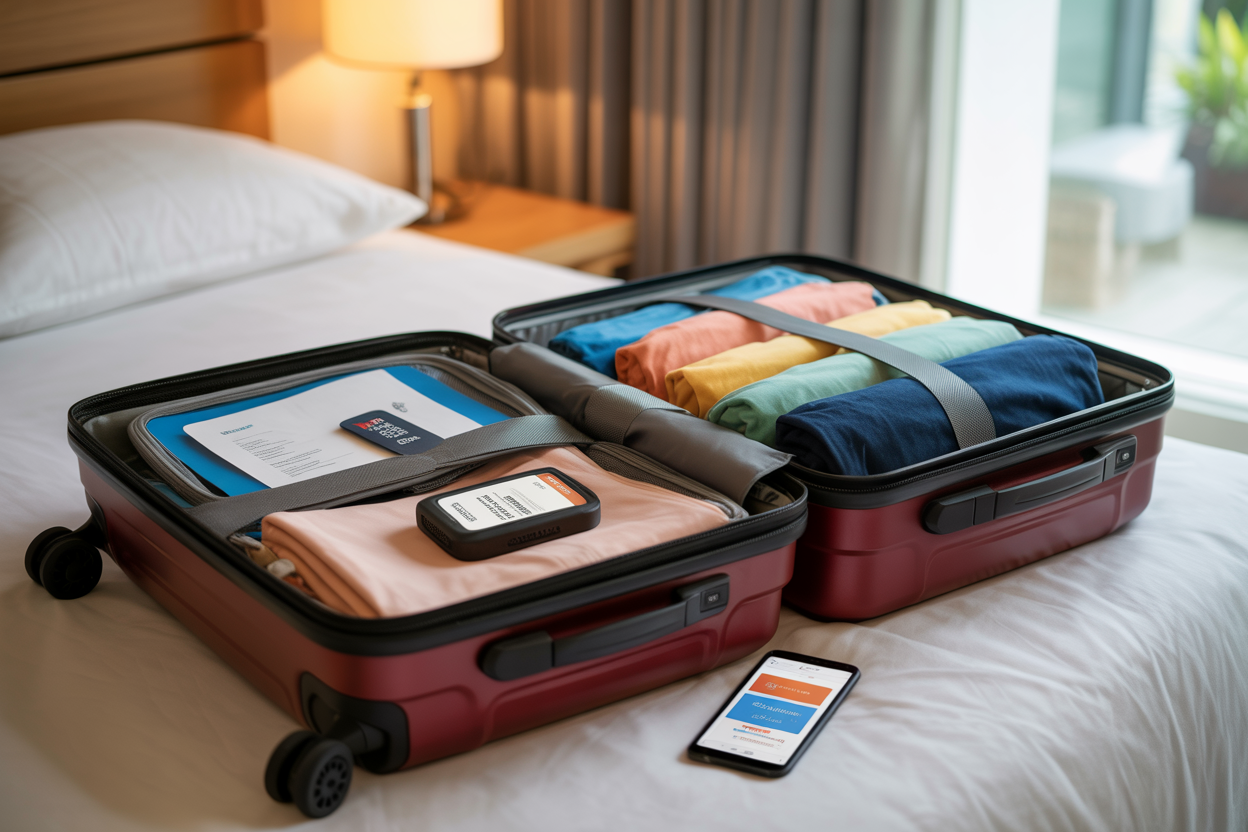
Use distinctive luggage tags with multiple contact methods
Your luggage needs to stand out in a sea of black suitcases, and the right tags make all the difference. Skip those flimsy paper tags airlines provide and invest in durable, waterproof luggage tags that won’t fall off during rough handling. Choose bright colors like neon yellow, hot pink, or electric blue that catch attention immediately.
Include multiple ways for airline staff to reach you. Write your cell phone number, email address, and hotel information on both sides of the tag. If you’re traveling internationally, add your home country code to your phone number. Smart travelers also include a backup contact—a family member or friend who’s staying home and can coordinate if your phone dies or gets lost with your luggage.
Consider using QR code tags that link to your contact information. These modern tags let airport staff scan and instantly access your details without having to squint at handwritten numbers. Some travelers attach colorful ribbons, unique stickers, or even small stuffed animals to make their bags instantly recognizable on the carousel.
Pack essentials in carry-on bags for critical trips
Your carry-on becomes your lifeline when airlines lose your checked luggage. Pack at least three days’ worth of essential items in your carry-on, including medications, underwear, basic toiletries, and one complete outfit. This prevents luggage loss from ruining important business meetings, weddings, or vacation plans.
For business trips, always carry your presentation materials, laptop charger, and at least two professional outfits in your carry-on. Wedding guests should pack their formal attire and any gifts they’re bringing. Vacation travelers need swimwear, comfortable walking shoes, and any specialized gear they can’t easily replace at their destination.
Roll your clothes instead of folding them to maximize space in your carry-on. Use packing cubes to organize everything efficiently and make security checks smoother. Remember the 3-1-1 rule for liquids: containers must be 3.4 ounces or smaller, fit in one quart-sized bag, and you can only bring one bag per passenger.
Take photos of luggage contents before traveling
Document everything before you zip up your suitcase. Take clear photos of all items you’re packing, including clothes, electronics, shoes, and toiletries. These photos become crucial evidence if you need to file a missing luggage claim or prove the value of lost items to your airline or travel insurance.
Organize your photos by category—group clothing items together, electronics in another shot, and valuable items separately. Make sure serial numbers on electronics are visible in your photos. For expensive items like jewelry, watches, or designer clothing, take detailed close-up shots that show brand names, model numbers, and any distinctive features.
Store these photos in multiple places: your phone, cloud storage, and email them to yourself. This backup strategy ensures you’ll have access to your documentation even if your phone gets lost or damaged during travel. The photos also help you remember what you packed, which speeds up insurance claims and makes it easier to replace lost items.
Consider GPS tracking devices for valuable bags
Modern luggage tracking tips include small GPS devices that transform how you monitor your bags throughout your journey. Apple AirTags, Samsung Galaxy SmartTags, and dedicated luggage trackers like Tile give you real-time location updates through your smartphone. These penny-sized devices slip easily into any pocket or compartment of your luggage.
Set up tracking before you leave home by connecting the device to your phone’s app and testing the connection. Place trackers in both your checked luggage and carry-on bags for complete coverage. Many experienced travelers hide multiple trackers in different compartments of valuable luggage—airlines and baggage handlers don’t know to look for them.
The real magic happens when your luggage goes missing. Instead of waiting helplessly for airline updates, you can see exactly where your bag is located and share this information with customer service representatives. This data often speeds up recovery time significantly and gives you leverage in compensation negotiations.
Battery life varies by device, but most last several months on a single charge. Choose trackers with loud alarm features that help you locate bags in crowded areas, and consider models with replaceable batteries for long-term use.
Resources and References

Official Airline Resources
Your first stop for lost luggage issues should be your airline’s official baggage service office. Major airlines maintain dedicated customer service centers specifically for handling missing luggage claims. United Airlines operates a 24/7 baggage help center at 1-800-335-2247, while Delta’s Central Baggage office can be reached at 1-800-325-8224. American Airlines provides baggage assistance through their main customer service line at 1-800-433-7300.
Most airlines also offer online baggage tracking systems where you can monitor your delayed baggage status using your reference number. These digital platforms often provide real-time updates and allow you to submit additional documentation or change your delivery address without waiting on hold.
Watch this video
Passenger Rights Organizations
When airlines don’t respond adequately to your lost luggage claim, consumer advocacy groups can provide valuable support. The U.S. Department of Transportation’s Aviation Consumer Protection Division handles formal complaints against airlines and can help pressure carriers to resolve your case. You can file complaints online at their official website or call 1-800-778-4838.
For international flights, your rights vary by destination and airline. The European Union’s passenger rights regulations offer some of the strongest protections worldwide, while other regions may have limited coverage for baggage compensation.
Legal Resources and Small Claims Court
Small claims court becomes your backup option when airline compensation offers fall short of your actual damages. Most states allow claims up to $5,000 without requiring an attorney, making this an accessible route for recovering costs related to lost luggage. You’ll need to sue the airline in the jurisdiction where your flight originated or where the airline maintains business operations.
Before heading to court, gather all documentation including receipts, correspondence with the airline, and photos of your luggage. Many successful small claims cases result from passengers who meticulously documented their losses and the airline’s inadequate response.
Travel Insurance Companies and Coverage
Travel insurance can fill gaps left by airline compensation limits, especially for high-value items. Companies like Allianz, Travel Guard, and World Nomads offer baggage coverage that extends beyond airline liability limits. Annual travel insurance policies often cost less than single-trip coverage if you travel frequently.
Review your homeowner’s or renter’s insurance policy as well – many provide coverage for personal belongings even when traveling. Credit cards, particularly premium travel cards, frequently include baggage delay and loss protection as cardholder benefits.
Apps and Technology for Luggage Tracking
Smart luggage tags and tracking devices give you independent monitoring capabilities beyond airline systems. Apple AirTags, Tile trackers, and Samsung Galaxy SmartTags can be discreetly placed in your luggage to provide location data through your smartphone.
Several apps specialize in travel disruption management. FlightAware tracks flights and can alert you to potential baggage handling issues before you reach your destination. TripIt organizes your travel documents and can store photos of your luggage and packing lists for easy reference during claims processes.
Compensation Calculators and Claim Assistance
Online compensation calculators help you understand what you’re entitled to receive for lost luggage based on your specific situation. These tools consider factors like domestic versus international flights, airline policies, and Montreal Convention limits.
Professional claim assistance companies charge fees but can be worth the cost for complex cases involving expensive items or multiple flights. These services understand airline policies and can navigate bureaucratic processes more efficiently than individual passengers.

Lost luggage doesn’t have to ruin your trip if you know how to respond quickly and effectively. The seven strategies covered here – from immediate airport reporting to smart documentation, understanding your rights, using multiple communication channels, making strategic purchases, knowing when to escalate, and preventing future issues – give you a complete toolkit for handling this frustrating situation. Your success depends on staying organized, being persistent, and knowing exactly what steps to take from the moment you realize your bag is missing.
Don’t wait for the airline to solve everything on their timeline. Take control by documenting every interaction, keeping all receipts for necessary purchases, and pushing for updates through different communication channels. Remember that you have specific rights as a passenger, and airlines are required to compensate you for reasonable expenses while your luggage is missing. Start implementing these prevention strategies for your next trip, and you’ll significantly reduce the chances of dealing with lost luggage again.