



What Makes These 10 Countries Must-Visit in 2026

What Makes These 10 Countries Must-Visit in 2026
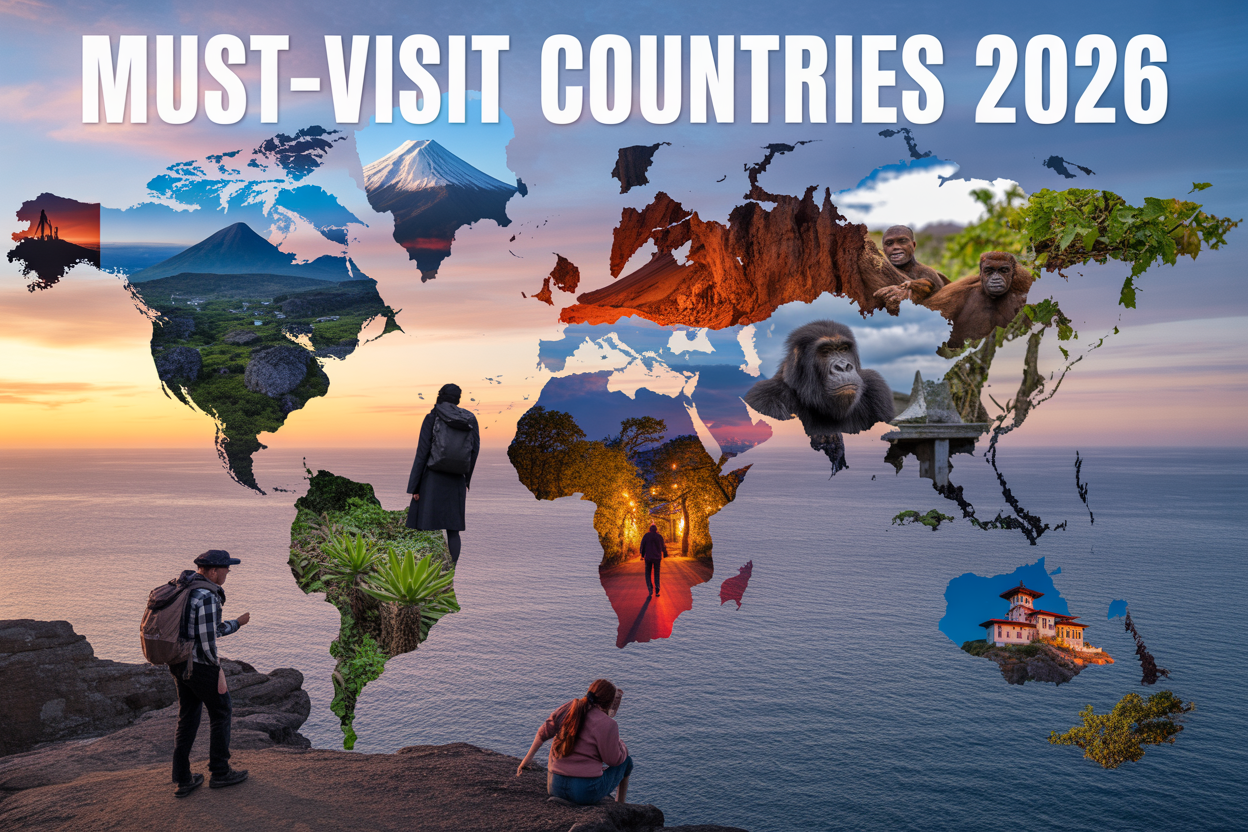
Smart travelers are already booking trips to destinations that most tourists haven’t discovered yet. If you’re tired of crowded hotspots and looking for authentic experiences, these best countries to visit 2026 offer incredible value, unique cultures, and unforgettable adventures without the typical tourist chaos.
This guide is for travelers who want to explore emerging travel destinations 2026 before they become the next big thing. You’ll discover countries that have made remarkable improvements in safety and infrastructure, plus destinations that offer once-in-a-lifetime experiences you simply can’t find anywhere else.
We’ll explore why these hidden gem travel destinations 2026 deserve spots on your bucket list, from Japan’s exciting cultural renaissance following the Olympics to Rwanda’s inspiring conservation success story. You’ll also learn about breakthrough destinations like Colombia, where safety improvements have opened up incredible natural wonders, and unique places like Bhutan, where happiness is literally the national priority.
Ready to plan your most memorable year of travel? Let’s dive into these must-visit countries next year that savvy travelers are talking about.
Emerging Destinations Gaining Global Recognition
Hidden gems becoming accessible through improved infrastructure
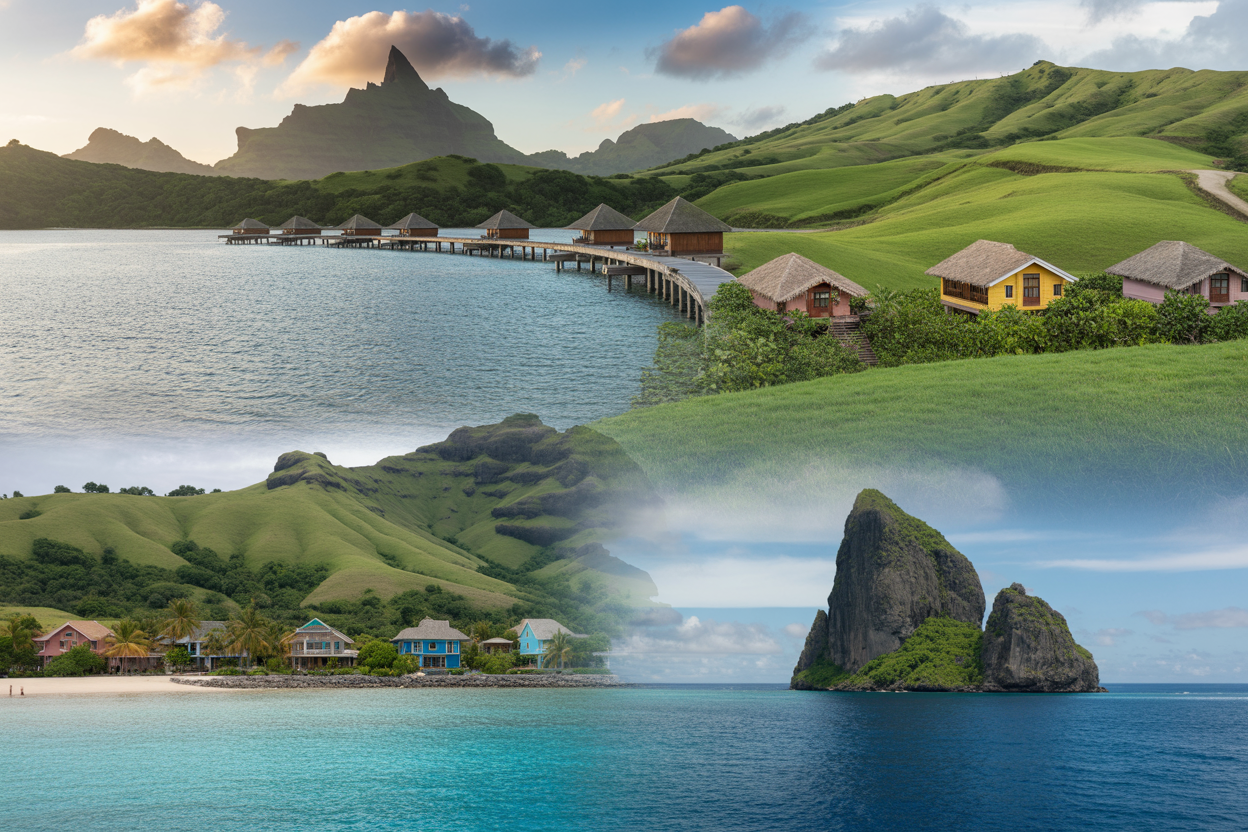
The travel landscape is shifting dramatically as once-remote destinations invest billions in connectivity and infrastructure. Countries like Rwanda have transformed their airports into regional hubs, making what was once a complex journey into a seamless experience. Georgia’s new highway system now connects ancient wine regions to modern airports, while Albania’s coastal roads rival those of more established Mediterranean destinations.
These infrastructure improvements aren’t just about convenience—they’re opening doors to authentic experiences that were previously reserved for the most adventurous travelers. Madagascar’s upgraded airports and road networks now make it possible to witness the island’s extraordinary lemur populations and baobab forests without requiring expedition-level planning. Similarly, Uzbekistan’s high-speed rail connections between Silk Road cities have made exploring ancient trade routes accessible to mainstream tourists.
Digital connectivity plays an equally important role. Countries investing in 5G networks and digital payment systems are removing barriers that once made travel challenging. Bhutan’s improved internet infrastructure now allows visitors to share their Himalayan adventures in real-time, while Colombia’s widespread mobile payment adoption has simplified transactions for international visitors.
Countries investing heavily in tourism development
Strategic tourism investments are reshaping entire economies across multiple continents. Portugal leads this transformation with over €2 billion allocated to tourism infrastructure through 2026, focusing on sustainable luxury accommodations and regional connectivity. Their investment strategy emphasizes preserving authentic character while meeting modern traveler expectations.
Japan’s post-Olympic tourism renaissance represents one of the most ambitious development programs globally. Beyond Tokyo’s continued evolution, the country is channeling resources into lesser-known prefectures, creating cultural innovation centers that blend traditional arts with contemporary experiences. Regional airports are expanding international routes, making destinations like Kanazawa and Hiroshima more accessible to global visitors.
African nations are particularly aggressive in their tourism development strategies. Rwanda’s tourism revenue has grown 300% since 2010, driven by strategic investments in eco-lodges and conservation programs that attract high-value, low-impact visitors. The country’s focus on sustainable tourism infrastructure serves as a model for other emerging destinations.
| Country | Investment Focus | Expected Impact |
|---|---|---|
| Portugal | Sustainable luxury & connectivity | Regional distribution of tourism |
| Japan | Cultural innovation centers | Access to authentic experiences |
| Rwanda | Eco-tourism infrastructure | High-value conservation tourism |
| Georgia | Wine tourism facilities | Adventure-cultural combination |
Unique cultural experiences previously undiscovered by mainstream travelers
The democratization of travel information through social media and travel platforms has unveiled cultural treasures that were once known only to anthropologists and specialized tour operators. Georgia’s 8,000-year-old wine culture offers visitors the chance to participate in harvest rituals using ancient qvevri clay vessels—experiences that feel worlds away from typical wine country tourism.
Uzbekistan’s architectural marvels tell stories that predate most European landmarks, yet only recently have streamlined visa processes made these Silk Road heritage sites accessible to casual travelers. The intricate tilework of Samarkand’s Registan Square and the medieval streets of Bukhara offer photographic opportunities that rival more famous destinations without the crowds.
Madagascar presents biodiversity experiences found nowhere else on Earth. Over 90% of its species exist only on this island, creating wildlife encounters that feel like stepping into another world. Recent improvements in guide training and eco-lodge development mean visitors can now access these unique ecosystems with proper interpretation and comfort.
Albania’s Mediterranean positioning offers a compelling alternative to overcrowded coastal destinations. Ancient Illyrian ruins dot landscapes where traditional mountain villages remain unchanged by mass tourism. The country’s dual identity—offering both pristine Adriatic beaches and dramatic alpine adventures—provides cultural diversity that established destinations struggle to match.
These emerging destinations share common threads: authentic experiences, cultural depth, and the excitement of discovery that mainstream tourism often lacks.
Japan’s Post-Olympic Renaissance and Cultural Innovation
Revolutionary sustainable tourism initiatives transforming travel experiences
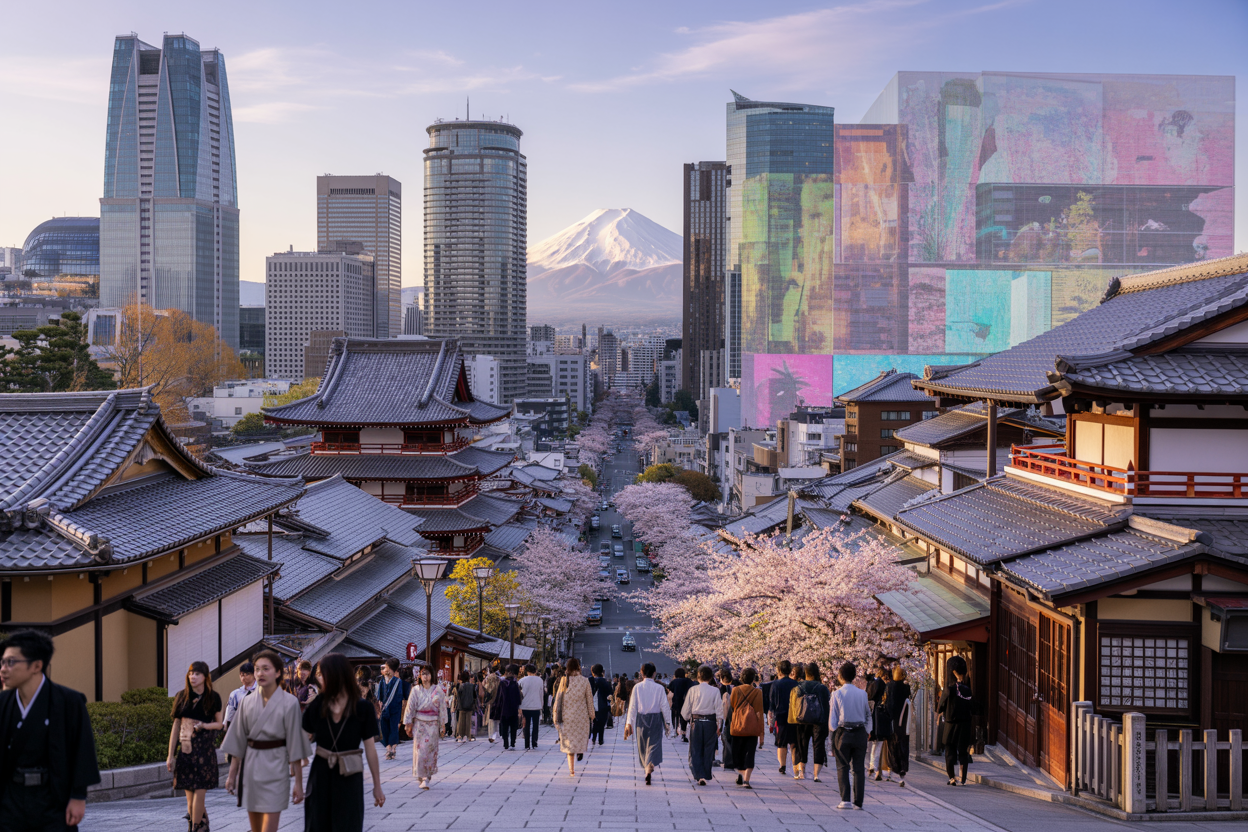
Japan has completely reimagined how visitors experience the country through groundbreaking eco-friendly programs that go far beyond traditional tourism. The nation’s Japan cultural renaissance tourism movement centers on community-based initiatives where travelers stay in renovated farmhouses, participate in local rice cultivation, and learn traditional crafts from master artisans. These immersive programs generate direct income for rural communities while preserving cultural heritage.
The “Stay Japan” network has expanded to include over 3,000 properties across remote villages, each offering authentic experiences like indigo dyeing workshops, pottery making with local clay, and forest bathing sessions guided by certified instructors. Carbon-neutral travel packages combine electric train journeys with bicycle tours and walking meditation paths, reducing environmental impact while deepening cultural connections.
Cutting-edge technology enhancing visitor interactions with traditional culture
Digital innovation seamlessly blends with ancient traditions through AR-powered temple tours, where visitors use smartphones to witness historical ceremonies in virtual reality. Smart translation devices now provide real-time interpretation during tea ceremonies, allowing deeper appreciation of subtle cultural nuances. Interactive holographic displays at museums bring samurai battles to life, while AI-powered cultural guides offer personalized recommendations based on individual interests.
The revolutionary “Culture Connect” app uses machine learning to match travelers with local families for authentic dining experiences, cooking classes, and cultural exchanges. Virtual reality previews help visitors choose between different regional experiences, from Zen meditation retreats in mountain monasteries to sake brewing workshops in traditional breweries.
New regional destinations beyond Tokyo and Kyoto opening to international visitors
Remote regions previously inaccessible to tourists now welcome international visitors through improved infrastructure and cultural exchange programs. The Shikoku Pilgrimage route offers 88-temple walking journeys with newly established guesthouses and English-speaking guides. Tohoku’s pristine coastlines feature sustainable fishing village stays where travelers participate in seaweed harvesting and traditional boat building.
The Japanese Alps region has introduced multi-day hiking circuits connecting hot spring villages, alpine meadows, and centuries-old mountain huts. Okinawa’s outer islands provide coral reef conservation programs where visitors contribute to marine research while experiencing unique Ryukyu culture through traditional dance workshops and Okinawan language immersion programs.
Seasonal festivals and events creating year-round appeal
Japan’s festival calendar has expanded to include international collaborations and modern interpretations of ancient celebrations. Spring brings cherry blossom festivals enhanced with contemporary art installations and musical performances. Summer features traditional matsuri paired with sustainable food markets showcasing regional specialties.
Autumn illumination festivals now incorporate renewable energy displays, while winter snow festivals feature ice sculptures created through community workshops. Year-round cultural events include monthly full-moon meditation gatherings, seasonal cooking festivals celebrating local harvests, and artisan markets where visitors purchase directly from craftspeople, supporting traditional industries while creating meaningful travel memories.
Portugal’s Authentic Charm and Diverse Landscapes
Affordable luxury experiences compared to other Western European destinations
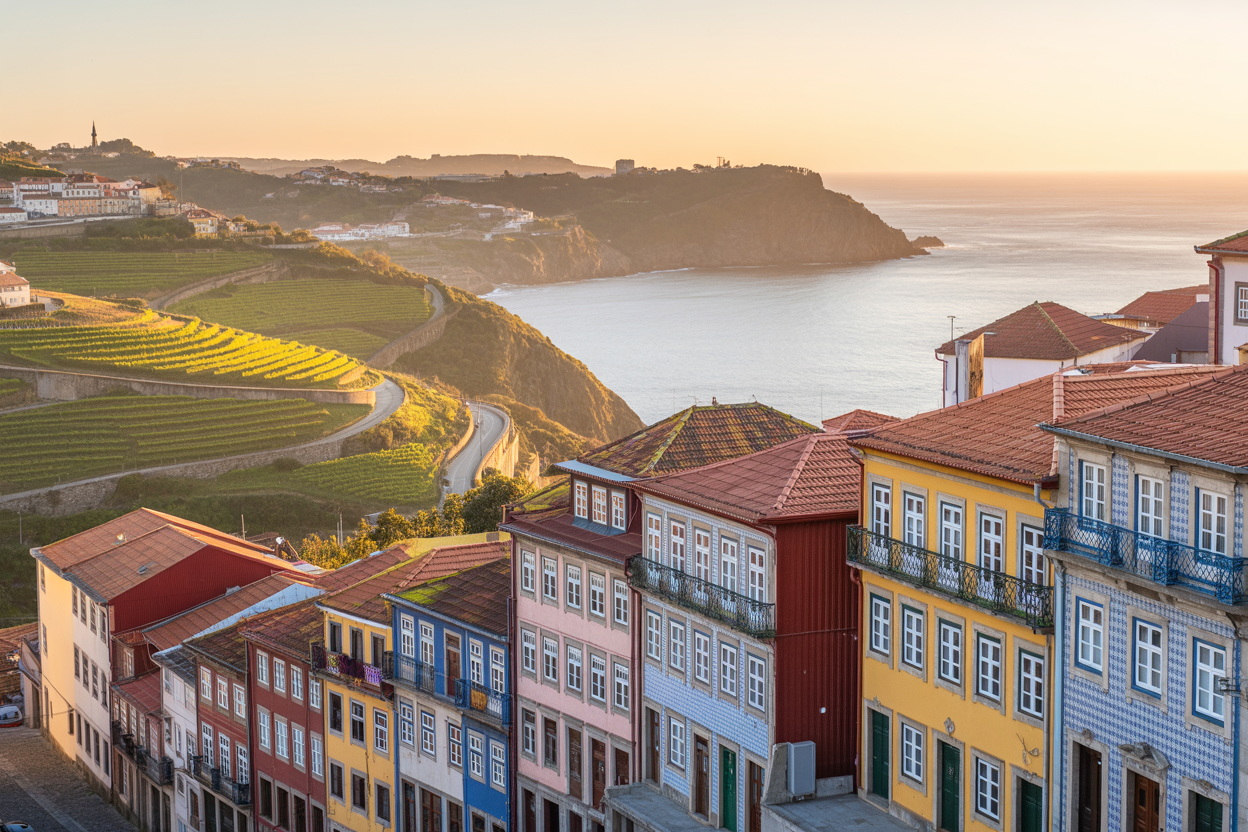
Portugal delivers luxury travel experiences at a fraction of the cost you’d find in France, Italy, or Spain. Five-star boutique hotels in Porto start around €150 per night, while similar accommodations in Paris easily run €400+. Wine tastings at premier quintas (wine estates) in the Douro Valley cost €25-40, offering world-class vintages that would command triple the price in Bordeaux.
Michelin-starred dining becomes accessible here, with tasting menus ranging from €85-120 compared to €200+ elsewhere in Western Europe. Private guided tours through historic neighborhoods like Alfama in Lisbon or Ribeira in Porto cost €50-80 per person, providing intimate cultural immersion without breaking the bank.
The country’s emerging luxury eco-lodges and pousadas (historic buildings converted into hotels) offer authentic charm with modern amenities. These properties often include complimentary activities like cooking classes, pottery workshops, or guided nature walks that would cost extra at other European destinations.
Pristine coastlines and world-class surfing opportunities
Portugal’s 1,800-kilometer coastline delivers some of Europe’s most spectacular beaches and surfing conditions. The Algarve region showcases golden sand beaches like Praia da Marinha and Benagil Cave, where dramatic limestone cliffs create natural sculptures and hidden grottos accessible only by kayak or boat.
Nazaré produces some of the world’s largest waves, with swells reaching 100+ feet during winter months. The town has become a pilgrimage site for big wave surfers and spectators alike. For beginners, spots like Ericeira and Peniche offer consistent, manageable waves with numerous surf schools and board rental shops.
The Silver Coast (Costa de Prata) provides endless stretches of uncrowded beaches perfect for long walks, while the western Alentejo coast remains largely untouched by mass tourism. Here, wild beaches like Praia do Amado and Arrifana offer powerful waves set against dramatic cliff backdrops.
Water temperatures remain comfortable from May through October, with many beaches earning Blue Flag status for their cleanliness and environmental management. Coastal towns maintain authentic Portuguese character, with fresh seafood restaurants and traditional fishing harbors still operating alongside modern tourist facilities.
Rich culinary scene gaining international acclaim
Portuguese cuisine is experiencing a renaissance that puts it among Europe’s most exciting food destinations. Traditional dishes like bacalhau (salt cod), prepared in supposedly 365 different ways, showcase the country’s maritime heritage and culinary creativity. Francesinha sandwiches in Porto and pastéis de nata (custard tarts) from Belém represent beloved comfort foods now gaining global recognition.
Contemporary Portuguese chefs are reimagining classic dishes while maintaining traditional flavors. Restaurants like Alma in Lisbon and Pedro Lemos in Porto have earned Michelin stars by elevating local ingredients like percebes (gooseneck barnacles), cataplana seafood stews, and Alentejo black pork.
The country’s wine scene extends far beyond port wine, with regions like Vinho Verde producing crisp, refreshing whites perfect for summer sipping. Douro Valley reds compete with the world’s best, while natural wine producers in regions like Beira Interior create innovative expressions of native grape varieties.
Food markets like Mercado da Ribeira in Lisbon and Mercado do Bolhão in Porto have become culinary destinations themselves, featuring both traditional vendors and acclaimed chefs serving accessible versions of their signature dishes.
Historic cities offering immersive cultural experiences
Lisbon and Porto anchor Portugal’s cultural landscape, but smaller cities like Óbidos, Évora, and Coimbra provide equally rich historical experiences without overwhelming crowds. These Portugal authentic travel experiences let visitors walk cobblestone streets where Romans, Moors, and medieval Christians left their architectural marks.
Coimbra’s university, founded in 1290, houses the spectacular Joanina Library with its baroque decoration and resident bat colony that protects ancient books from insects. Students maintain centuries-old traditions, including academic processions and fado performances in atmospheric taverns.
Évora showcases Roman ruins, a bone chapel made from 5,000 human skulls, and pristine medieval architecture within its UNESCO-listed center. The city serves as a gateway to the Alentejo region, where cork forests, olive groves, and whitewashed villages create quintessentially Portuguese landscapes.
Óbidos transforms visitors back to medieval times with its intact castle walls and narrow streets lined with traditional shops selling ginjinha (cherry liqueur) served in chocolate cups. The town hosts literary festivals and medieval fairs that bring history to life through immersive experiences rather than passive observation.
Colombia’s Safety Improvements and Natural Wonders
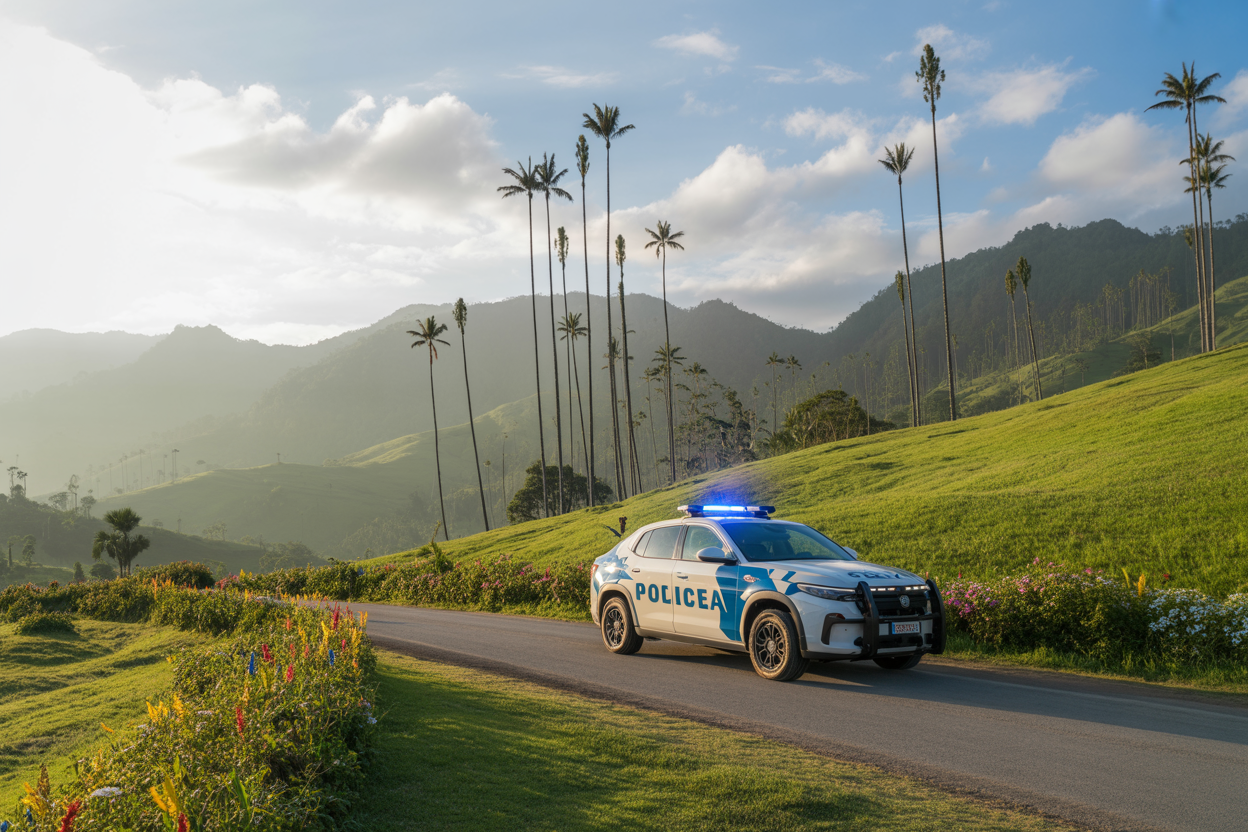
Dramatically Improved Security Making Tourism Safer Than Ever
Colombia has transformed from a cautionary travel tale into one of Colombia safe travel destinations for 2026. The country’s security situation has improved dramatically over the past decade, with homicide rates dropping by more than 50% in major tourist areas. Cities like Medellín, once synonymous with violence, now showcase urban innovation and have become models for urban renewal across Latin America.
The Colombian government has invested heavily in tourism infrastructure and security protocols. Tourist police units now operate in key destinations, offering multilingual assistance and ensuring visitor safety. Major tourist corridors between cities like Bogotá, Cartagena, and the Coffee Triangle feature enhanced security measures that rival those found in established travel destinations.
International safety rankings now place Colombia on par with many European countries for tourist security. The U.S. State Department has lifted travel advisories for most tourist regions, and major insurance companies have reduced their risk assessments for Colombian travel policies. This shift has opened doors for family travelers, solo female backpackers, and luxury tourists who previously avoided the country.
Biodiversity Hotspots Offering Unparalleled Wildlife Encounters
Colombia ranks as the world’s second most biodiverse country, housing 10% of global species within just 1% of Earth’s surface. The country offers wildlife experiences that surpass those found in more expensive destinations like Costa Rica or Ecuador’s Galápagos Islands.
Amazon rainforest lodges in Leticia provide pink dolphin encounters, jaguar spotting, and indigenous cultural experiences without the crowds found in Brazilian or Peruvian Amazon regions. The Chocó region delivers some of the planet’s highest bird diversity, with over 800 species including endemic hummingbirds and toucans that attract photographers from around the globe.
Coastal areas like Nuquí offer humpback whale watching from July to October, when these massive creatures migrate to Colombian Pacific waters to breed. The experience rivals whale watching in Alaska or Norway but costs a fraction of the price. Tayrona National Park combines Caribbean beaches with tropical dry forest, creating habitat for howler monkeys, iguanas, and hundreds of bird species just hours from civilization.
Vibrant Cities Showcasing Latin American Culture and Innovation
Colombian cities blend colonial heritage with cutting-edge innovation, creating urban experiences that feel both authentic and forward-thinking. Medellín’s transformation from conflict zone to innovation hub has produced the world’s first outdoor escalator system in a slum, cable cars connecting hillside neighborhoods, and public libraries that double as community centers.
Bogotá’s cultural scene rivals any major Latin American capital, with world-class museums like the Gold Museum housing the planet’s largest collection of pre-Columbian artifacts. The city’s street art scene has exploded, with former conflict zones now serving as open-air galleries that tell stories of resilience and hope.
Cartagena maintains its colonial charm while embracing modern gastronomy. The walled city’s restaurants now compete internationally, with chefs creating innovative fusion cuisine that blends Caribbean, African, and indigenous flavors. Music festivals throughout the year celebrate everything from champeta to vallenato, giving visitors authentic cultural immersion that goes far beyond typical tourist experiences.
Each city offers distinct regional cuisines, from Bogotá’s hearty mountain fare to coastal cities’ fresh seafood preparations, creating a culinary journey that spans multiple climates and cultures within a single country.
Rwanda’s Conservation Success and Sustainable Tourism Model
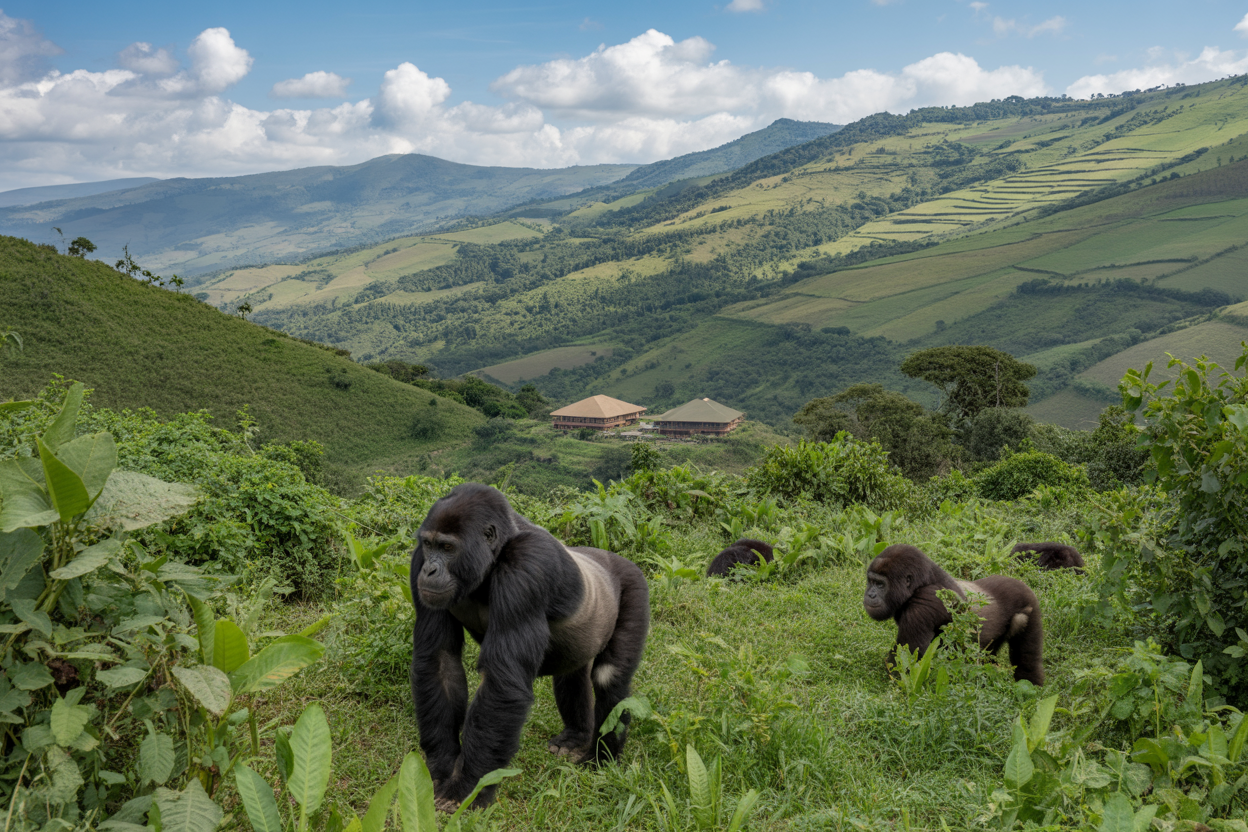
Gorilla Trekking Experiences Supporting Local Communities
Mountain gorilla encounters in Rwanda have become the gold standard for wildlife tourism that actually benefits local people. Volcanoes National Park protects nearly half of the world’s remaining mountain gorillas, and every trekking permit sold directly funds conservation efforts while employing local guides, porters, and trackers. The community revenue-sharing program ensures that 10% of park entrance fees flows back to villages surrounding the park, funding schools, healthcare clinics, and clean water projects.
Former poachers now work as anti-poaching rangers, earning steady incomes while protecting the very animals they once hunted. Local women weave baskets and create crafts sold to visitors, transforming traditional skills into sustainable livelihoods. The gorilla guardian villages program pairs each gorilla family with a nearby community, creating personal investment in their protection. When you trek through bamboo forests to spend that magical hour watching a silverback gorilla interact with his family, you’re participating in conservation that has increased Rwanda’s gorilla population by over 30% in the past decade.
Remarkable Post-Conflict Transformation Inspiring Global Visitors
Rwanda’s journey from the 1994 genocide to becoming one of Africa’s safest and most progressive nations captures the imagination of travelers worldwide. The country ranks among the top five safest destinations in Africa, with Kigali consistently rated as one of the cleanest capitals globally. Monthly community service days bring citizens together for environmental cleanup and infrastructure projects, creating a culture of unity that visitors witness firsthand.
The Kigali Genocide Memorial provides a powerful, educational experience that helps visitors understand the country’s tragic past and remarkable recovery. Women now hold 61% of parliamentary seats – the highest percentage globally – and female entrepreneurs lead many tourism businesses. The transformation extends beyond politics into daily life: plastic bags are banned, digital payments are widespread, and corruption is virtually non-existent. Visitors often leave Rwanda feeling inspired by what’s possible when a nation commits to healing, environmental protection, and inclusive development.
Eco-Luxury Accommodations Setting New Standards for Responsible Travel
Rwanda’s lodge operators have pioneered sustainability practices that other destinations now copy. Bisate Lodge uses locally-sourced volcanic rock and employs reforestation techniques that have restored over 50 acres of indigenous forest. One&Only Nyungwe House operates entirely on solar power and has achieved carbon neutrality through forest conservation partnerships. These properties don’t just minimize environmental impact – they actively improve local ecosystems.
Staff training programs teach hospitality skills while preserving traditional Rwandan culture, and lodge restaurants showcase indigenous ingredients prepared by local chefs. Singita Kwitonda Lodge’s anti-poaching unit patrols 178,000 acres of gorilla habitat, while their community partnerships support 40,000 local residents. Guest experiences include traditional dancing, drumming lessons, and visits to local schools and cooperatives. The luxury comes not from imported materials but from authentic connections with place and people, proving that high-end travel can be genuinely sustainable.
Year-Round Perfect Climate for Outdoor Adventures
Rwanda’s location on the equatorial plateau creates consistently pleasant weather that makes any month ideal for visiting. Temperatures hover between 15-25°C (59-77°F) year-round, with cool mountain air in higher elevations and comfortable warmth in valleys. The dry seasons (June-September and December-February) offer clear skies for gorilla trekking and hiking, while brief afternoon showers during rainy seasons keep landscapes lush without disrupting activities.
This climate supports adventures across diverse ecosystems within a compact area. Nyungwe Forest’s canopy walks take you 60 meters above ancient rainforest, while Akagera National Park offers savanna game drives just three hours away. Lake Kivu’s warm waters invite kayaking and swimming, and the Virunga Mountains provide challenging hikes with spectacular views. The stable weather means outdoor gear stays lighter, travel planning stays simpler, and every season offers prime conditions for Rwanda’s incredible range of sustainable tourism experiences.
Georgia’s Wine Culture and Caucasus Mountain Adventures
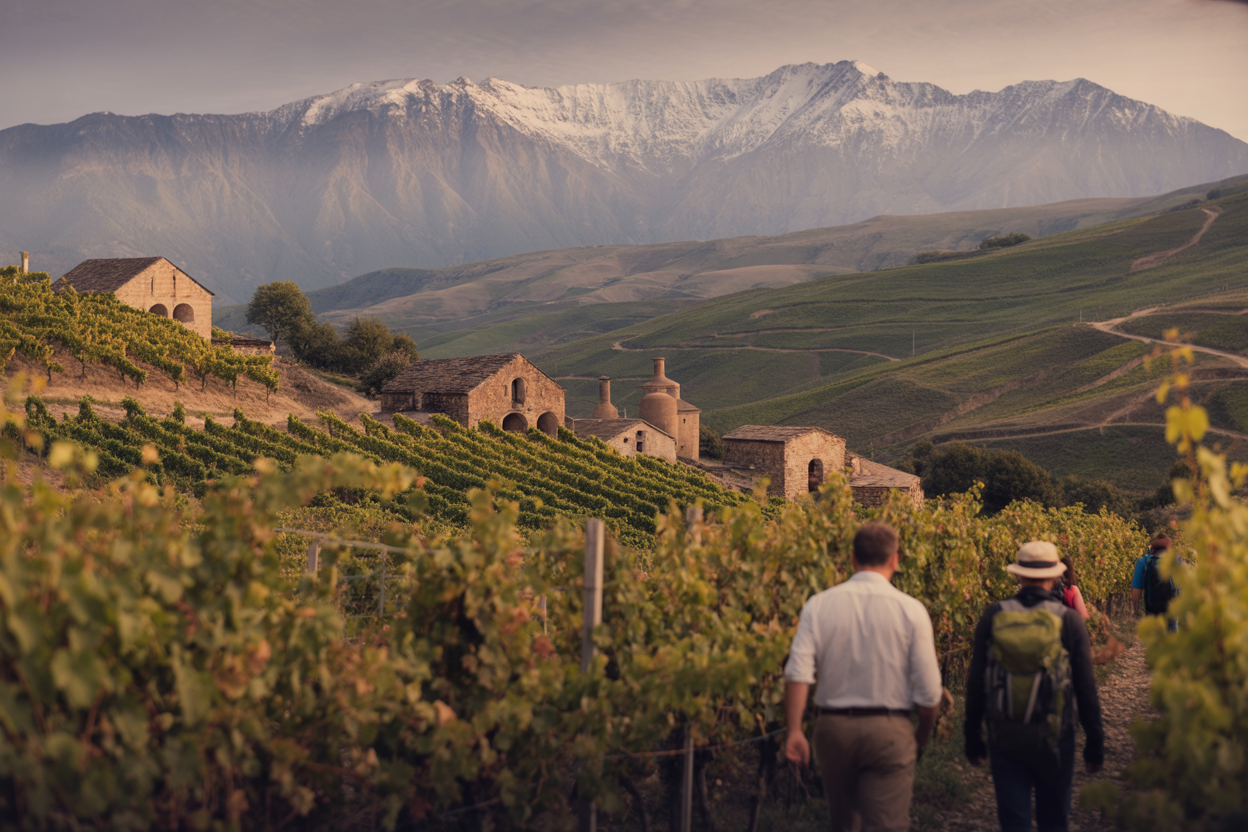
Ancient winemaking traditions creating unique tasting experiences
Georgia wine tourism adventures showcase an incredible 8,000-year-old winemaking heritage that predates most European wine regions by millennia. The country’s qvevri method—fermenting wine in large clay vessels buried underground—creates distinctive flavors you simply can’t experience anywhere else. Traditional Georgian wineries use amber wine techniques that turn white grapes into golden, complex wines with incredible depth.
Wine enthusiasts discover family-owned cellars carved into hillsides where generations have perfected their craft using indigenous grape varieties like Saperavi and Rkatsiteli. The natural wine movement has embraced Georgian techniques, making these ancient methods suddenly relevant to modern palates. Tastings happen in atmospheric stone cellars where hosts share stories passed down through centuries, often accompanied by traditional supra feasts featuring khachapuri cheese bread and khinkali dumplings.
The Kakheti region offers wine trails connecting dozens of boutique producers, while the newer Kartli wine zone provides easier access from Tbilisi. Many wineries operate as family guesthouses, letting visitors sleep among the vines and wake up to mountain views with fresh Georgian bread and homemade wine.
Dramatic mountain landscapes perfect for hiking and skiing
The Caucasus Mountains create some of Europe’s most spectacular yet accessible wilderness adventures. Svaneti region features ancient defensive towers dotting valleys beneath peaks reaching over 5,000 meters, where medieval villages seem frozen in time. The Mestia-Ushguli trek ranks among the world’s most beautiful multi-day hikes, passing glacial lakes, wildflower meadows, and UNESCO World Heritage mountain communities.
Winter transforms Georgia into an affordable skiing paradise. Gudauri offers powder snow and modern lifts at prices that make European resorts look expensive. The resort sits at 2,200 meters with reliable snow from December through April, plus helicopter skiing for serious adventurers. Bakuriani provides family-friendly slopes with Soviet-era charm and thermal springs for post-ski relaxation.
Kazbegi National Park surrounds Mount Kazbek, where the famous Gergeti Trinity Church perches dramatically at 2,170 meters elevation. Day hikers reach this iconic monastery in 3-4 hours, while serious mountaineers tackle technical climbs on 5,000-meter peaks. The region offers everything from gentle valley walks to challenging alpine routes, all supported by excellent guesthouses serving hearty mountain cuisine.
Affordable prices offering exceptional value for European-style experiences
Georgia delivers Western European quality at remarkably low prices, making luxury travel accessible to budget-conscious visitors. High-end hotels in Tbilisi cost less than mid-range accommodations in most European capitals, while excellent Georgian restaurants serve multi-course meals with wine for under $20 per person.
Transportation remains incredibly affordable—marshrutka minibuses connect major destinations for just a few dollars, while domestic flights between Tbilisi and Batumi cost around $50. Wine tastings at premium estates typically run $10-15 including multiple varieties and traditional snacks, compared to $40+ at comparable European vineyards.
Accommodation options span from luxury mountain resorts charging $80-120 per night to charming family guesthouses at $25-40, both offering warm Georgian hospitality and home-cooked meals. Even guided tours and adventure activities cost 50-70% less than similar experiences in Western Europe, while service quality often exceeds expectations. This incredible value proposition makes Georgia perfect for travelers seeking premium experiences without premium prices.
Uzbekistan’s Silk Road Heritage and Architectural Marvels
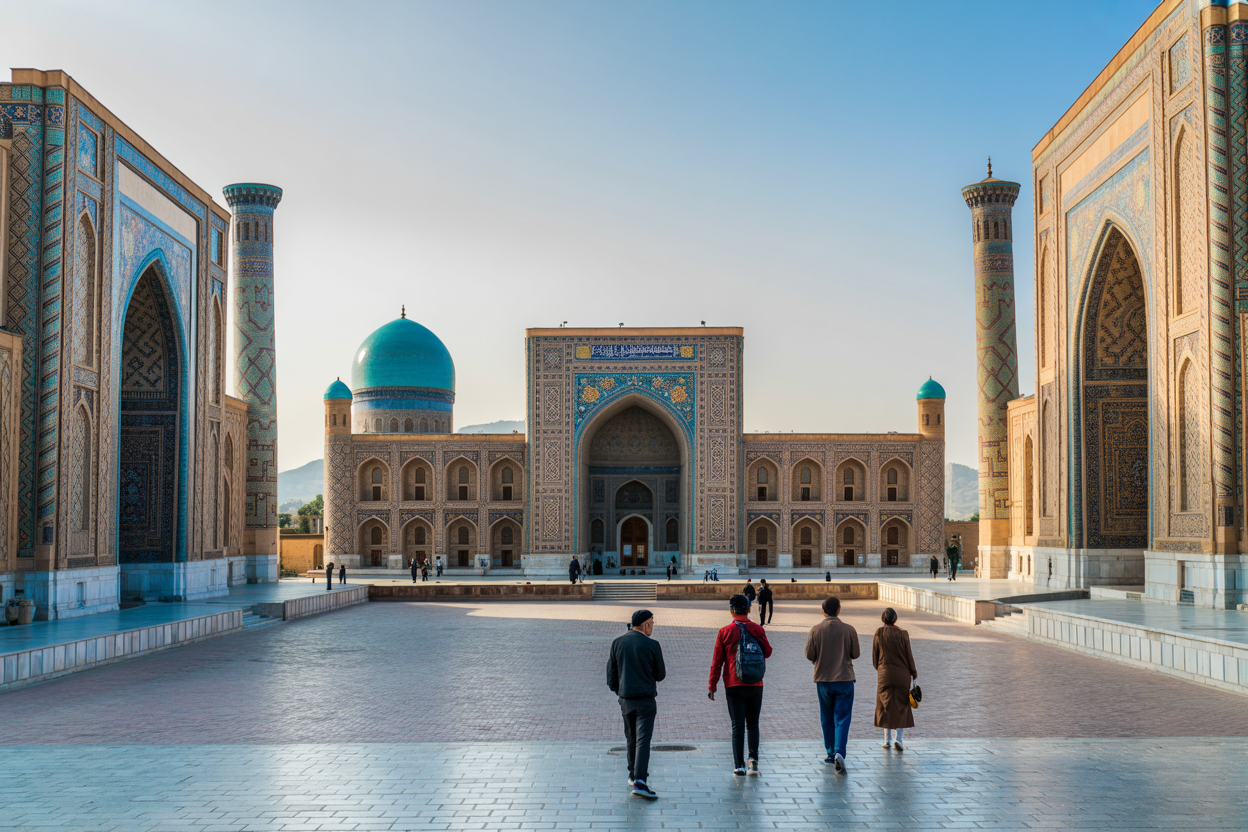
UNESCO World Heritage sites showcasing Islamic architecture
Uzbekistan stands as a living museum of Islamic architecture, home to four UNESCO World Heritage sites that showcase some of the world’s most stunning historical monuments. Samarkand’s Registan Square represents the pinnacle of Central Asian Islamic architecture, with its three magnificent madrasas adorned in intricate tilework and soaring minarets. The azure domes and geometric patterns tell stories of the Silk Road’s golden age when scholars and merchants gathered in these very courtyards.
Bukhara’s Historic Centre preserves over 140 architectural monuments spanning a millennium, including the iconic Kalyan Minaret that has withstood earthquakes and invasions since 1127. The city’s narrow streets wind past ancient trading domes, ornate mosques, and perfectly preserved madrasas that continue to function as centers of learning.
Khiva’s Itchan Kala fortress creates an almost surreal experience, like stepping into a medieval manuscript. The walled city contains palaces, mosques, and minarets so well-preserved that visitors often feel transported back in time. Shakhrisabz, Tamerlane’s birthplace, rounds out the collection with ruins of massive palaces that once rivaled anything built in Europe or Asia.
Simplified visa processes making travel more accessible
The Uzbekistan government has revolutionized travel accessibility by introducing visa-free entry for citizens of over 80 countries, including most European nations, the United States, and many Asian countries. Visitors can now stay up to 30 days without any advance paperwork, making spontaneous travel possible.
For countries still requiring visas, Uzbekistan offers streamlined e-visa applications that process within three business days. The online system eliminates the need for embassy visits or document shipping, while fees remain remarkably affordable at around $20 for most nationalities.
Registration requirements, once a bureaucratic headache, have been simplified significantly. Hotels automatically register guests, and independent travelers only need to register if staying longer than three days in private accommodations. The process now takes minutes rather than hours, and many registration points operate 24/7 to accommodate different travel schedules.
Authentic Central Asian culture untouched by mass tourism
Unlike many popular destinations overwhelmed by crowds, Uzbekistan offers authentic cultural experiences that remain largely unchanged by tourism pressures. Local artisans in Bukhara still practice traditional crafts like silk weaving and metalwork using techniques passed down through generations. Visitors can watch master craftsmen create intricate suzani embroidery or hand-forge decorative knives without staged performances or tourist traps.
Tea houses throughout the country serve as genuine community gathering places where travelers can join locals for conversations over traditional plov (pilaf) and fresh bread baked in tandoor ovens. The hospitality culture runs deep, with families often inviting visitors to share meals and learn about daily life in Central Asia.
Markets burst with authentic local products rather than mass-produced souvenirs. The Chorsu Bazaar in Tashkent and Siyob Bazaar in Samarkand offer everything from handwoven carpets to locally grown melons, spices, and nuts. Prices remain reasonable since tourism hasn’t inflated local economies, allowing visitors to experience the region’s commercial traditions without tourist mark-ups.
Strategic location connecting Europe and Asia for multi-country trips
Uzbekistan’s central location makes it an ideal hub for exploring Central Asia and beyond. Tashkent’s international airport offers convenient connections to major European cities, Dubai, Istanbul, and Delhi, while overland borders connect to all neighboring countries without visa complications for most travelers.
The country serves as a perfect starting point for multi-country adventures across the ancient Silk Road. Travelers can easily continue to Kazakhstan’s Almaty, Kyrgyzstan’s mountains, or Tajikistan’s Pamir Highway. Train connections link Uzbekistan to Russia and China, while budget airlines provide affordable flights throughout the region.
Modern infrastructure supports comfortable travel between cities, with high-speed trains connecting Tashkent to Samarkand in just over two hours. New highways make road trips feasible, allowing visitors to explore rural areas and smaller towns often missed by standard tourist routes. The combination of excellent domestic transportation and strategic international connections positions Uzbekistan as the gateway for discovering Central Asia’s hidden gem travel destinations.
Madagascar’s Unique Biodiversity and Adventure Tourism
Endemic wildlife found nowhere else on Earth
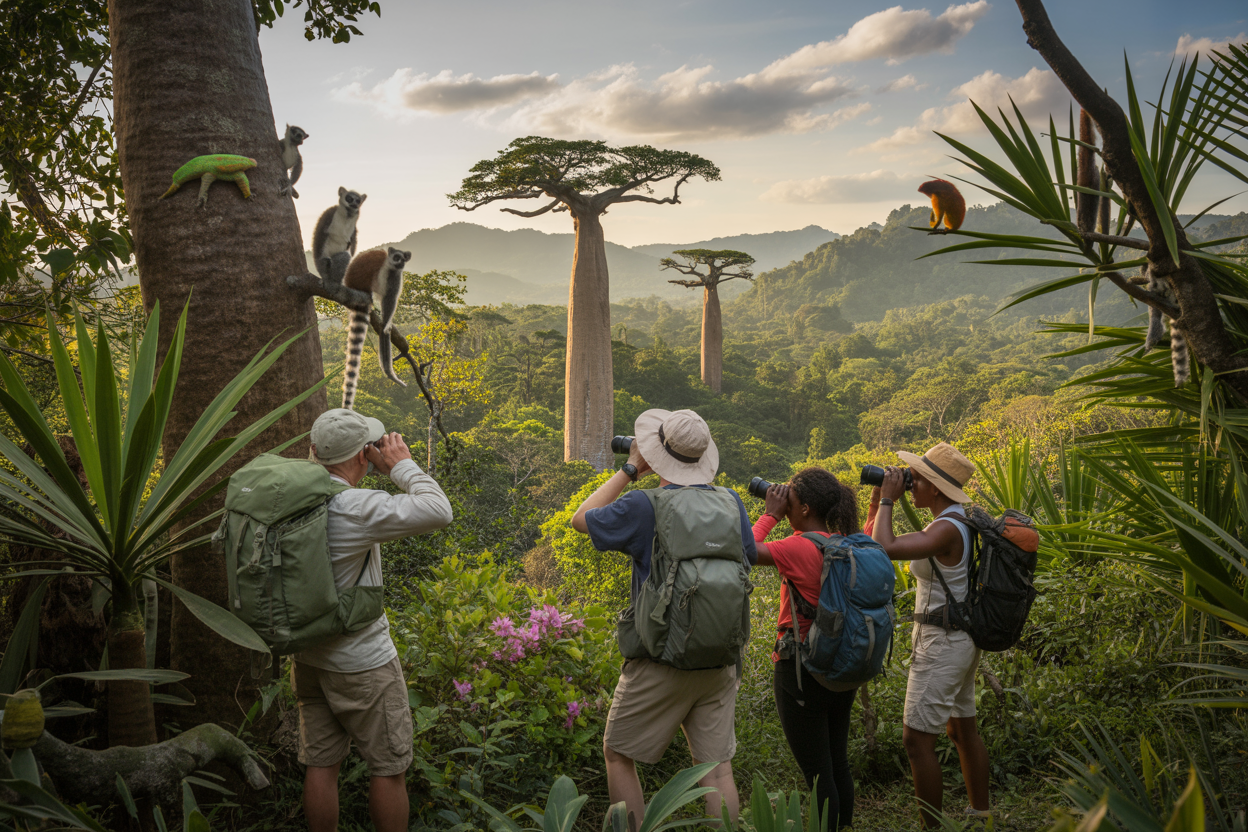
Madagascar split from the African continent over 160 million years ago, creating the ultimate natural laboratory for evolution. This isolation produced one of the world’s most extraordinary collections of endemic species – roughly 90% of Madagascar’s wildlife exists nowhere else on the planet. The island hosts over 100 lemur species, from the tiny mouse lemur weighing just 60 grams to the indri, whose haunting calls echo through the rainforest each morning.
The island’s reptile diversity rivals any destination globally, with chameleons ranging from species smaller than your thumb to the massive Parson’s chameleon. Madagascar’s unique biodiversity tourism opportunities allow visitors to witness evolution in action, from the leaf-tailed geckos that blend seamlessly with tree bark to the colorful day geckos that dart across hotel walls.
Birdwatchers discover species like the ground-roller family, found only in Madagascar’s forests, and the Madagascar fish eagle, one of the world’s rarest raptors. The island’s plant life proves equally remarkable, with over 800 orchid species and the iconic baobab trees that create otherworldly landscapes at sunset.
Diverse ecosystems from rainforests to deserts within one country
Madagascar packs incredible ecological diversity into a landmass roughly the size of Texas. The eastern coast receives abundant rainfall, supporting lush primary rainforests where travelers can trek through Andasibe-Mantadia National Park listening for indri calls and spotting chameleons on night walks. Moving west, the landscape transforms dramatically into dry deciduous forests where baobab trees dominate the horizon.
The southern regions showcase Madagascar’s desert ecosystem, where spiny forests of octopus trees and pachypodiums create alien-like landscapes. Isalo National Park offers hiking through sandstone formations and hidden oases that feel like stepping into another world. The central highlands provide a completely different experience, with rolling hills, rice terraces, and cooler temperatures that support unique montane ecosystems.
Coastal areas vary from pristine beaches along the east coast to mangrove systems in the west. Each ecosystem supports distinct wildlife communities, meaning a two-week journey across Madagascar can feel like visiting multiple continents. This diversity makes Madagascar unique biodiversity tourism incredibly rewarding for nature enthusiasts seeking varied experiences within a single destination.
Growing eco-tourism infrastructure supporting conservation efforts
Madagascar has made significant strides in developing sustainable tourism that directly benefits conservation efforts. Community-based tourism programs now operate in numerous national parks, where local guides share traditional ecological knowledge while earning income from protecting rather than exploiting natural resources. These programs have transformed former slash-and-burn farmers into conservation champions who understand the economic value of intact ecosystems.
New eco-lodges throughout the country blend comfort with environmental responsibility, using solar power, rainwater collection, and locally-sourced materials. Many properties contribute directly to reforestation projects and wildlife monitoring programs. The Madagascar National Parks system has improved trail infrastructure and visitor facilities while maintaining strict environmental standards.
Conservation organizations work closely with tourism operators to ensure visitor fees support park management and community development. Recent initiatives include lemur adoption programs where tourists can sponsor specific animals, turtle conservation projects on coastal areas, and tree-planting activities that allow visitors to contribute directly to reforestation efforts.
The growing infrastructure makes Madagascar more accessible while maintaining its wild character. Direct flights from major European cities have increased, and domestic transportation has improved significantly. This development positions Madagascar as one of the premier emerging travel destinations 2026 for eco-conscious travelers seeking authentic wildlife experiences that support conservation goals.
Albania’s Mediterranean Coastline and Mountain Escapes
Pristine beaches rivaling expensive Mediterranean destinations
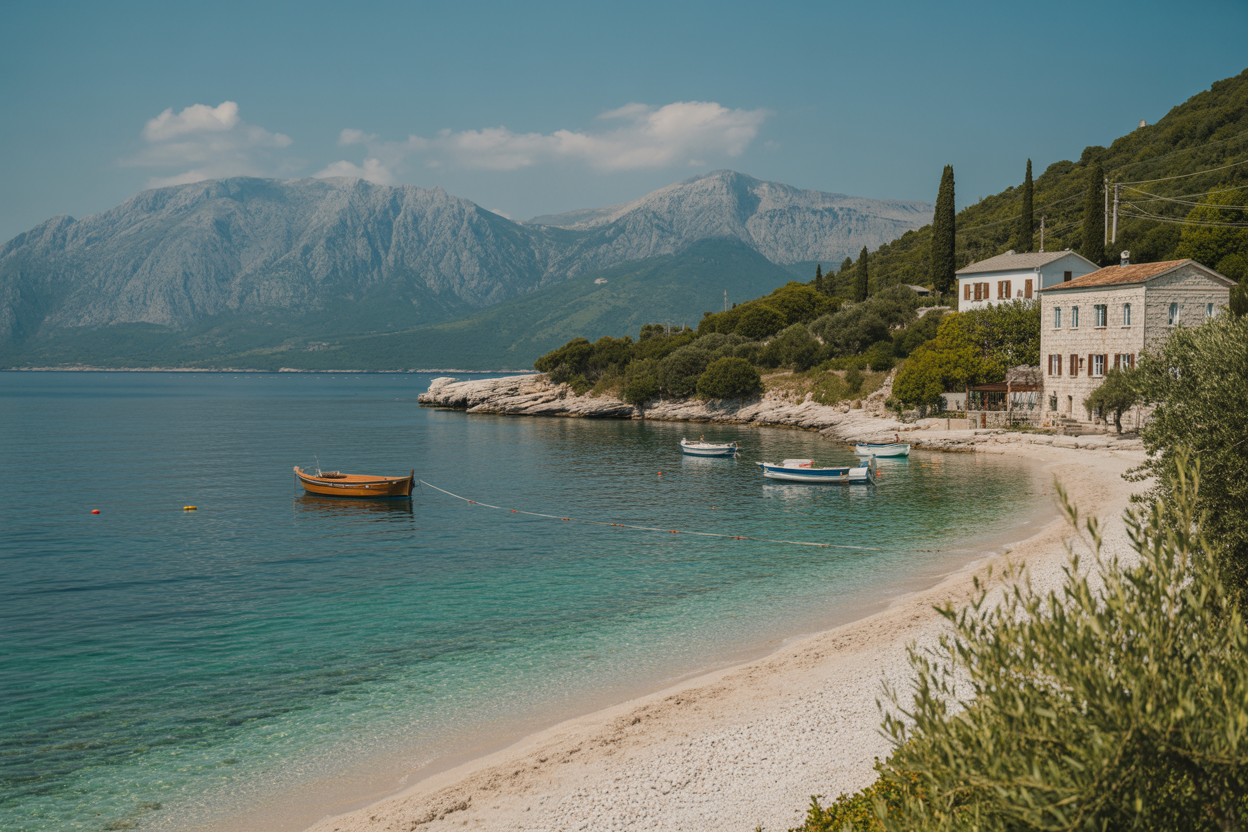
Albania’s Riviera stretches along 450 kilometers of untouched coastline that feels like discovering the Mediterranean before mass tourism took hold. The crystal-clear waters of Ksamil Beach mirror the turquoise perfection of Greek islands, while Gjipe Beach offers a hidden canyon setting that requires a short hike through dramatic cliffs. These Albania Mediterranean mountain escapes deliver the same stunning beauty as Croatia’s Dalmatian Coast or Italy’s Cinque Terre, but without the crushing crowds or inflated prices.
The Albanian coastline features secluded coves accessible only by boat, where you can swim in waters so clear you’ll see your feet on the sandy bottom ten meters below. Dhermi Beach combines pebbled shores with beach clubs that wouldn’t look out of place in Mykonos, while Himara offers traditional fishing village charm with waterfront tavernas serving fresh seafood at a fraction of what you’d pay elsewhere in the Mediterranean.
Dramatic Albanian Alps offering world-class hiking opportunities
The Albanian Alps, known locally as Bjeshkët e Namuna, rival the Swiss Alps in dramatic beauty while remaining largely undiscovered by international hikers. Valbona Valley National Park showcases pristine mountain landscapes with traditional stone houses dotting valleys that seem untouched by time. The trek from Valbona to Theth ranks among Europe’s most spectacular day hikes, crossing mountain passes at 1,800 meters elevation with panoramic views that stretch to Montenegro and Kosovo.
Theth National Park protects some of the most rugged terrain in the Balkans, where centuries-old blood feuds shaped the culture and stone towers still dot remote villages. Multi-day hiking routes connect mountain huts and guesthouses, creating an authentic alpine experience without the commercial infrastructure found in more famous European mountain ranges. Peak season offers wildflower meadows and rushing waterfalls, while shoulder seasons provide solitude that’s increasingly rare in Europe’s hiking destinations.
Rich history spanning ancient Illyrian, Ottoman, and Communist periods
Albania’s historical tapestry weaves together layers that span over 2,000 years, creating one of Europe’s most complex cultural narratives. Butrint National Park preserves Greek and Roman ruins that UNESCO considers among the Mediterranean’s finest archaeological sites, where ancient theaters overlook lagoons that have witnessed civilizations rise and fall. The city showcases Greek temples, Roman aqueducts, and Byzantine basilicas all within walking distance.
Ottoman influence appears everywhere from Berat’s white-washed houses cascading down hillsides to Gjirokastër’s stone architecture that earned both cities UNESCO World Heritage status. The unique blend of Islamic and Christian heritage creates architectural diversity rarely found in such a compact area. Communist-era bunkers dot the landscape – over 173,000 concrete structures that Enver Hoxha’s paranoid regime built between 1967 and 1985, now serving as surreal reminders of Europe’s most isolated communist state.
Extremely budget-friendly prices for European standards
Albania offers European travel experiences at prices that seem too good to be true until you experience them firsthand. Traditional restaurants serve hearty meals with local wine for under €10, while beachfront hotels that would cost €200 per night in neighboring Greece or Italy can be found for €30-50. Public transportation connects major destinations for just a few euros, and even private transfers remain remarkably affordable.
The favorable exchange rate means your travel budget stretches three to four times further than in Western Europe, making Albania one of the best countries to visit 2026 for value-conscious travelers. Local guesthouses offer authentic experiences with Albanian families for €15-25 per night, including homemade breakfast featuring fresh bread, local honey, and mountain tea. Even upscale accommodations maintain prices well below European averages while delivering service and amenities that match international standards.
Bhutan’s Gross National Happiness Philosophy and Himalayan Beauty
Carbon-negative country leading global environmental initiatives
Bhutan stands as the world’s only carbon-negative country, absorbing more carbon dioxide than it produces. The nation’s constitution mandates that at least 60% of its land remains forested, and currently, over 70% is covered by pristine forests. This remarkable achievement makes Bhutan Gross National Happiness travel experiences especially meaningful for environmentally conscious visitors who want to support genuine conservation efforts.
The country generates clean hydroelectric power and exports surplus energy to neighboring India, creating a positive environmental impact beyond its borders. Bhutan’s approach to development prioritizes environmental conservation over rapid economic growth, making it a living example of sustainable practices. Visitors witness firsthand how a nation can thrive while protecting its natural heritage, from ancient forests to glacial valleys that feed major Asian river systems.
Exclusive high-value, low-impact tourism policy ensuring quality experiences
Bhutan’s unique “High Value, Low Impact” tourism policy requires all visitors to pay a daily sustainable development fee, ensuring tourism benefits local communities without overwhelming the country’s delicate ecosystems. This approach creates intimate, authentic experiences that you simply can’t find in mass tourism destinations.
The policy limits visitor numbers while guaranteeing high-quality services. All tourists must book through licensed tour operators, ensuring proper planning and cultural sensitivity. This system means you’ll explore ancient monasteries without crowds, enjoy personalized interactions with locals, and experience genuine Bhutanese hospitality. The daily fee covers accommodations, meals, guides, and transportation, creating hassle-free travel while supporting local employment and infrastructure development.
Buddhist culture and traditions preserved in modern mountain kingdom
Bhutan seamlessly blends ancient Buddhist traditions with modern governance, creating a unique cultural landscape that captivates visitors. Monks in crimson robes walk alongside government officials in traditional ghos and kiras, while prayer flags flutter from modern buildings constructed in traditional architectural styles.
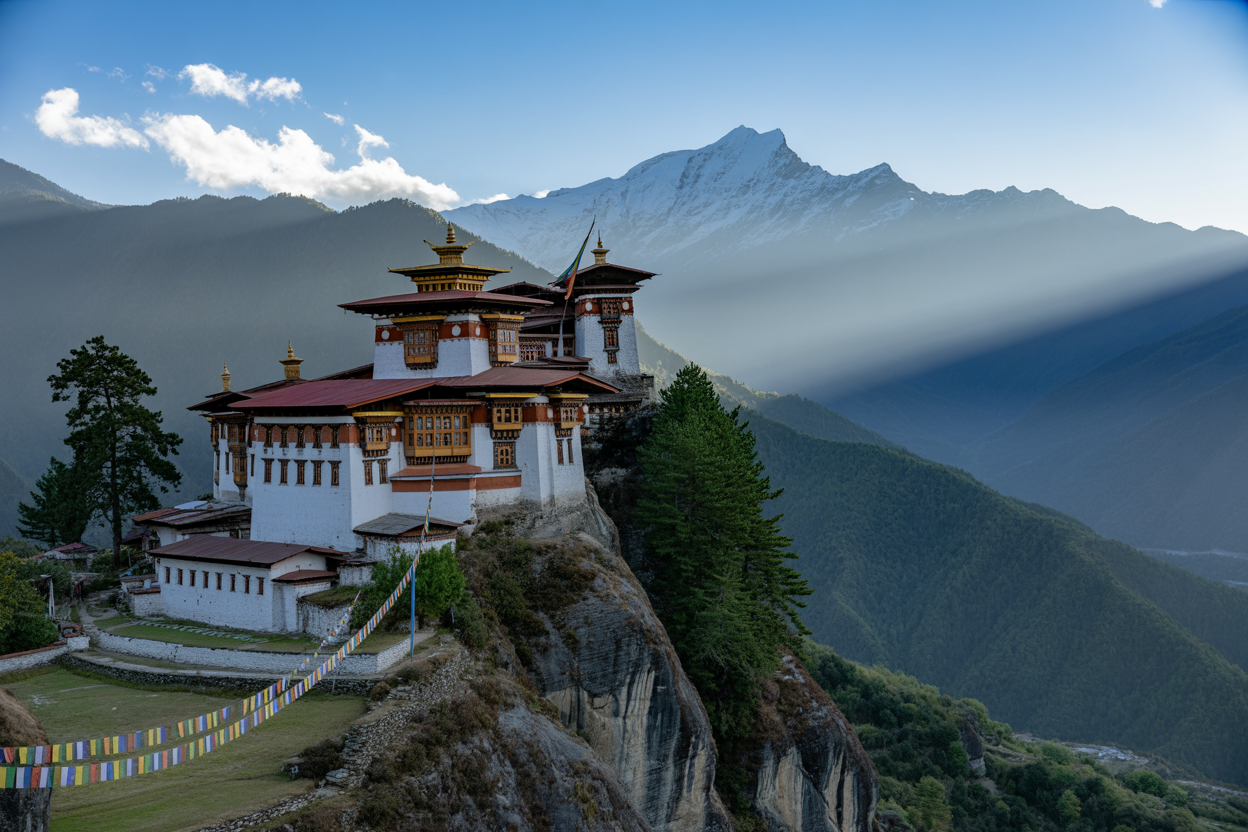
The country’s dzongs (fortress-monasteries) serve dual purposes as administrative centers and religious sites, showcasing how spiritual values integrate into daily governance. Visitors can participate in colorful festivals, witness butter lamp offerings in ancient temples, and learn about the Four Noble Truths from monks who’ve studied for decades. Traditional arts like thangka painting, wood carving, and textile weaving continue thriving, with artisans eager to share their knowledge with respectful visitors.
Spectacular Himalayan landscapes and trekking opportunities
The Eastern Himalayas in Bhutan offer some of the world’s most pristine mountain experiences, with peaks reaching over 24,000 feet and valleys that drop into subtropical forests. The famous Tiger’s Nest Monastery clings dramatically to a cliff face 3,000 feet above the Paro Valley, creating one of the most spectacular monastery visits on Earth.
Trekking routes range from day hikes through rhododendron forests to challenging multi-week expeditions crossing high-altitude passes. The Snowman Trek takes adventurous travelers through remote valleys beneath towering peaks, while easier routes like the Druk Path Trek offer stunning mountain views without extreme altitude challenges. Crystal-clear lakes reflect snow-capped peaks, and ancient trails connect villages where traditional life continues unchanged for generations.
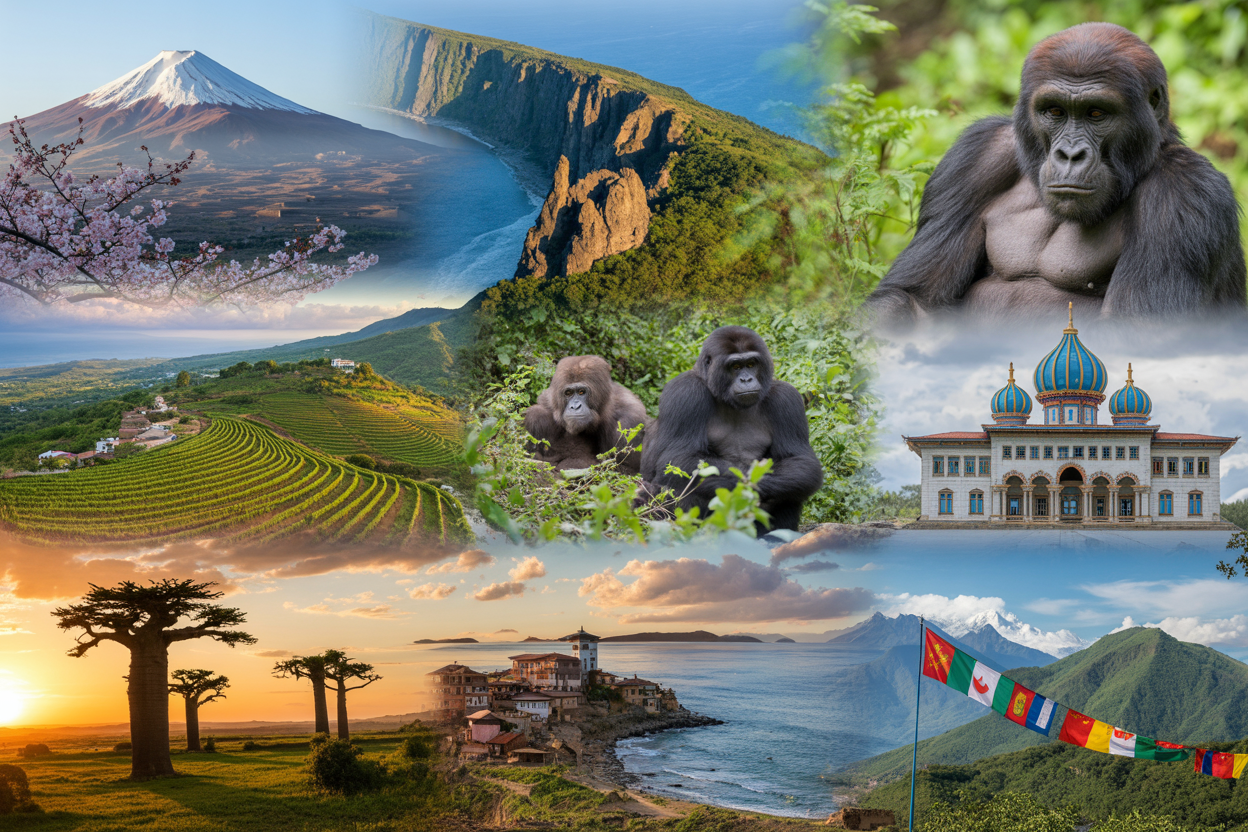
These ten countries represent the perfect mix of authenticity, innovation, and adventure that modern travelers crave. From Japan’s cutting-edge cultural renaissance to Rwanda’s inspiring conservation story, each destination offers something genuinely special that you won’t find anywhere else. Whether you’re drawn to Portugal’s coastal charm, Colombia’s recovered natural beauty, or Bhutan’s unique approach to happiness, these places are hitting their stride right now.
The best part? You’ll be visiting these incredible spots before they become overrun with crowds. These countries are ready for visitors with improved infrastructure and safety, but they still maintain that authentic, undiscovered feel that makes travel truly memorable. Start planning your 2026 adventures now – your future self will thank you for experiencing these amazing places while they’re still relatively untouched by mass tourism.